Stamped Concrete Mildura, Patterned Driveways and Patios Stamped on Time
Stamped Concrete Experts
Peak Concreting Mildura is a local concrete contractor delivering residential and commercial concreting across Mildura and the Sunraysia region, on both sides of the Murray. The work covers concrete driveways, slabs and footings, exposed aggregate, coloured, stamped and honed finishes, polished floors, paths, kerbs, retaining walls, sealing, resurfacing and repairs. Every job starts with the ground: stable Mallee sand, reactive clay pockets or damp, salt-prone irrigation blocks each get the base, mix and membrane they need. Pours are timed for the cooler early hours and cured properly, because curing in the dry Sunraysia heat decides how long a slab lasts. Every quote is fixed and written after an on-site measure.
Stamped concrete in Mildura presses the look of slate, cobblestone, brick or timber into a fresh slab, giving driveways, patios, paths and pool areas a patterned finish in one continuous surface with no joints for weeds or ants. A colour hardener is worked into the surface, a release agent adds depth to the pattern, and the mats are pressed while the concrete is still workable. In the dry Sunraysia heat that window can be short, so Peak Concreting pours stamped work in the early morning, sizes each section to what the crew can stamp in time, cuts joints along the pattern and seals the finished surface with grip where it will be wet. Call 0485 032 128 for a free on-site measure and a fixed written quote for stamped concrete in Mildura.
Peak Concreting Mildura
Stamped Concrete Mildura: Driveways, Patios, Pool Areas and Paths
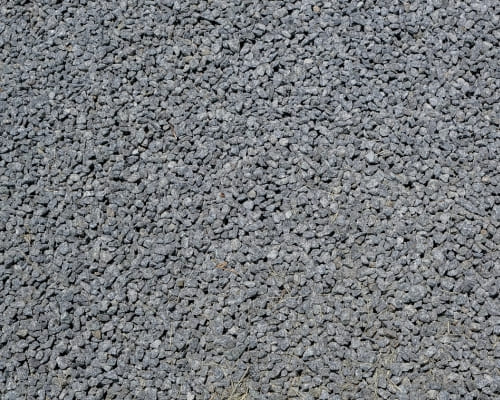
Stamped concrete Mildura owners choose is a structural concrete slab with a pattern and colour pressed into its surface while it is fresh. Underneath it is the same as any slab, with a compacted base, reinforcement and control joints. On top, it can pass for stone, brick or timber at a distance, while staying one solid surface.
Stamped concrete driveways
A stamped driveway carries cars on a standard driveway slab, typically around 100 to 125mm thick with steel mesh, and the pattern is pressed into the top. Ashlar slate and cobblestone patterns are the most popular for driveways because the texture hides tyre marks and wear. A coloured border or a contrasting band at the street edge frames the pattern. The concrete driveway page covers base preparation and crossover requirements.
Patios and alfresco areas
Patios and alfresco areas are where stamped concrete is used most, because the pattern sets the scene for outdoor living. Stone and slate patterns suit a natural garden, while timber-look boards suit a deck-style space without the upkeep of timber. Steps and edges can be stamped to match, so the whole area reads as one design.
Pool surrounds and paths
Around pools and along paths, a lighter colour and a finer texture keep the surface comfortable and grippy. Stamped pool surrounds are sealed with an anti-slip additive, and coping and step edges are textured to match. Paths can carry the same pattern as the patio or driveway, linking the yard together.
Peak Concreting Mildura
How Stamped Concrete Is Laid: Colour Hardener, Release Agent and Stamping
Stamped concrete is laid in a strict sequence, and each step has to happen at the right time.
Base, reinforcement and thickness under the pattern
The ground is excavated, a crushed rock base is compacted, and formwork and steel mesh are set, as for any slab. On sandy Mallee ground, the base is compacted carefully so the slab does not settle and crack the pattern. Where the ground is damp or salty, as on some older irrigation blocks, a membrane goes under the slab. A mix of 25 to 32MPa is typical.
Colour hardener and an antiquing release agent
Once the concrete is placed and screeded, a dry-shake colour hardener is broadcast over the surface and floated in to give a strong, hard-wearing colour layer. A release agent is then spread over the surface. It stops the stamping mats sticking, and when it is a coloured or antiquing release, it settles into the low parts of the pattern to create darker grout lines and natural-looking variation.
Pressing the mats and texturing the edges
The mats are laid in sequence and pressed into the surface by stepping and tamping, each one lined up with the last so the pattern runs continuously. Edges, corners and steps that the full mats cannot reach are finished with flexible texture skins and hand tools. Imprinting must be complete before the concrete sets too hard to take the pattern.
Cutting control joints within the pattern
Every slab shrinks as it cures, and control joints give that shrinkage a straight place to crack. On stamped work, joints are saw-cut along grout lines in the pattern wherever possible, so they disappear into the design. The release agent is washed off after a day or two, and the surface is sealed once it has cured enough.
Peak Concreting Mildura
Why Choose Peak Concreting for Stamped Concrete Services in Mildura
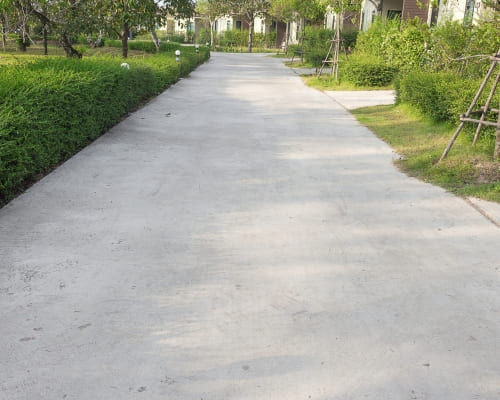
Stamped concrete is the most time-critical decorative finish to lay. Peak Concreting plans each stamped pour around the weather and the area, and every quote names the pattern, the colours, the release and the sealer, so owners know exactly what is being built.
A short stamping window in Mildura summers
Mildura receives only about 270 to 290mm of rain a year and often reaches 40C in summer. Hot, dry and windy conditions shorten the time between placing the concrete and it becoming too hard to stamp, and they increase the risk of surface cracking. Summer stamped pours start early in the morning, an evaporation retarder is used, sections are sized so the crew can stamp them in time, and large areas are split into stages with planned joints rather than rushed. Cooler months give a longer, easier window.
Salty and reactive Sunraysia ground
Parts of the Sunraysia irrigation districts carry shallow water tables and salt, which can rise through a slab and leave white efflorescence on a dark stamped colour. On these sites the slab sits on a damp-proof membrane, the mix is upgraded where needed, and the steel keeps its cover. On reactive clay pockets, the site class under AS 2870 guides the reinforcement, so the pattern is not cracked by ground movement.
Peak Concreting Mildura
What Stamped Concrete Costs in Mildura
Stamped concrete costs more than plain and coloured concrete because it adds a colour hardener, release agent, stamping labour and sealing. It is generally in a similar range to quality pavers and more than exposed aggregate.
Why stamped concrete costs more than plain
A plain slab is placed, finished and cured. A stamped slab adds the colour hardener, the release agent, a larger crew working against the clock, edge texturing, washing off and at least one coat of sealer. These steps add material and labour per square metre.
What moves the stamped concrete rate
Area is the main factor, since a large patio spreads setup costs further than a small path. Patterns with fine detail, many edges, steps and curves take longer. Two-tone colours and borders add work. Removing an old slab, poor access and a membrane on damp ground add as they would for any slab. Each quote is a fixed written price after an on-site measure.
Peak Concreting Mildura
Stamped Concrete Versus Pavers, Exposed Aggregate and Stencilled Overlays
Stamped concrete is one of several ways to get a decorative surface, and each has strengths.
Versus pavers
Pavers are individual units laid on sand, so they can be lifted for repairs or access to services. They also have hundreds of joints where weeds grow, ants dig and sand washes out, and edges can sink on sandy ground. Stamped concrete has no joints apart from saw cuts, so it stays level and weed-free, but a cracked section is harder to repair invisibly.
Versus exposed aggregate
Exposed aggregate shows natural stones at the surface, giving strong grip and a hard-wearing finish that needs less resealing. Stamped concrete gives a patterned look that exposed aggregate cannot, but it needs regular sealing to keep its colour. The exposed aggregate concrete page explains that finish.
Versus a stencilled overlay on existing concrete
A stencilled or stamped overlay is a thin polymer-modified layer laid over an existing, sound slab, with a pattern applied. It suits refreshing an old driveway without demolition, but it is only a few millimetres thick and depends on the slab underneath. A new stamped slab is patterned through a full-depth pour. The concrete resurfacing page covers overlays.
Peak Concreting Mildura
Stamped Concrete Patterns: Slate, Cobblestone, Brick and Timber
Pattern and colour are chosen together, usually from mat samples and photos of finished jobs.
Patterned concrete and stamped concrete: the same finish
Patterned concrete, printed concrete and imprinted concrete are other names for stamped concrete. All describe a fresh slab pressed with mats to create a pattern. The terms vary by region and supplier, but the method is the same: a coloured slab, a release agent and a set of mats pressed in while the concrete is still plastic. Searching for patterned concrete or stamped concrete leads to the same finish, and the same rules about timing, jointing and sealing apply to both.
Stone and slate patterns
Ashlar slate, random stone and flagstone patterns imitate natural stone laid in irregular or rectangular pieces. They are the most popular choice for driveways and patios because the texture hides marks and suits most homes. Two colours, a base and a darker release, bring out the stone shapes.
Brick, cobblestone and paver patterns
Brick, herringbone, cobblestone and paver patterns imitate unit paving without the joints. They suit heritage homes, courtyards and borders, and a cobblestone pattern adds an old-world feel to a driveway entrance. Brick patterns are often used as a border around a stone or plain centre.
Timber-look and seamless textures
Timber-look mats imitate boards with grain, which suits an alfresco or pool deck where real timber would need oiling. Seamless texture mats add a stone surface texture without a grout pattern, giving a natural, uniform finish that is easier to keep clean. Timber patterns are laid with the boards running the length of the area, and a darker release picks out the grain and board ends. Seamless textures suit owners who want the grip and depth of stone without a busy pattern.
Peak Concreting Mildura
Stamped Concrete Downsides: Grip, Cracks and Resealing
Stamped concrete has a few known drawbacks, all of which can be managed.
Slip resistance on a patterned surface
A sealed stamped surface can be slippery when wet, especially where a gloss sealer is used. An anti-slip grit mixed into the sealer gives grip on driveways, paths and pool areas. A textured pattern holds better than a smooth one, and a matte sealer reduces both glare and slip.
Cracks in stamped concrete
Like any slab, stamped concrete can crack from shrinkage, ground movement or overloading. Control joints along the pattern, a well-compacted base, the right reinforcement for the site class and careful curing in the heat all reduce the risk. A hairline crack in a stone pattern often blends into the design.
Resealing to keep the colour and pattern sharp
The sealer protects the colour and the release tones from UV, wear and stains. In full Mildura sun, stamped concrete usually needs cleaning and resealing every two to three years to keep it looking new. Left unsealed, the colour dulls and the surface absorbs dirt. The concrete sealing page explains sealer types and resealing.
TESTIMONIALS
What Our Stamped Concrete Customers Say About Us
The Process
3 Step Process For Your Stamped Concrete Needs

1. Free On-Site Quote
The area is measured, the pattern and colours are chosen from mat samples, and a fixed written price is given that lists the base, colour hardener, release and sealer.

2. Base Prep and the Pour
The base is compacted and formed, the slab is poured early in the day, colour hardener is floated in, release is spread and the mats are pressed before the concrete sets.

3. Curing and Handover
Control joints are cut along the pattern, the release is washed off after a day or two, and the cured surface is sealed with anti-slip grit where it will be wet.
Stamped Concrete In Mildura
FREQUENTLY ASKED QUESTIONS
Everything you need to know about our Stamped Concrete In Mildura
Is it cheaper to do stamped concrete or pavers?
They are often similar in price for a straightforward area. Stamped concrete has lower long-term upkeep in terms of weeds and sinking, but needs resealing every few years. Pavers can be lifted and relaid. A fixed written quote shows the real comparison for a specific job.
Can stamped concrete be put over existing concrete?
A true stamped finish needs fresh concrete. A sound existing slab can be given a patterned look with a thin stencilled or stamped overlay, which avoids demolition but depends on the old slab staying sound. Cracked or sunken slabs are better replaced.
Can stamped concrete be done as a DIY job?
It is one of the hardest concrete finishes to do well, because colour, release and stamping must all happen within a short window, and mistakes are permanent. It needs a practised crew, the right mats and careful timing, especially in hot weather.
How long does stamped concrete last?
The slab itself lasts for decades, like any well-built concrete. The colour and pattern stay sharp as long as the sealer is maintained, typically resealing every two to three years in full sun.
How long before a stamped driveway can be used?
Foot traffic is usually fine after a day or two, once the release is washed off. Cars typically wait about seven days, longer in cool weather. The sealer is applied once the slab has cured enough, and the timeline is set out in the quote.
What is the downside of stamped concrete?
It needs resealing to keep its colour, it can be slippery when wet without an anti-slip sealer, and cracks are harder to hide than on plain concrete. Careful jointing, a sound base and a grippy sealer manage most of these.
Request A Free Stamped Concrete Quote
BUSINESS
SERVICES
OPERATING HOURS
Sun: 7:00am - 9:00pm
Mon: 7:00am - 9:00pm
Tue: 7:00am - 9:00pm
Wed: 7:00am - 9:00pm
Thu: 7:00am - 9:00pm
Fri: 7:00am - 9:00pm
Sat: 7:00am - 9:00pm