Concrete Driveways Mildura, Built on Proper Bases and Cured for the Heat
Concrete Driveways Experts
Peak Concreting Mildura is a local concrete contractor delivering residential and commercial concreting across Mildura and the Sunraysia region, on both sides of the Murray. The work covers concrete driveways, slabs and footings, exposed aggregate, coloured, stamped and honed finishes, polished floors, paths, kerbs, retaining walls, sealing, resurfacing and repairs. Every job starts with the ground: stable Mallee sand, reactive clay pockets or damp, salt-prone irrigation blocks each get the base, mix and membrane they need. Pours are timed for the cooler early hours and cured properly, because curing in the dry Sunraysia heat decides how long a slab lasts. Every quote is fixed and written after an on-site measure.
Concrete driveways in Mildura carry cars, caravans, trailers and sometimes farm machinery through long, hot summers, so they are built from the ground up. Peak Concreting excavates and compacts a crushed rock base suited to Mallee sand, clay pockets or damp, salty irrigation ground, sets the right slab thickness with steel mesh on chairs, plans falls and drains, and cuts control joints so any cracking runs straight. Every driveway is poured early on summer mornings and wet-cured, then finished plain, exposed aggregate, coloured or stamped. New driveways, replacements, widening, crossovers and long rural driveways are all quoted on site. Call 0485 032 128 for a free on-site measure and a fixed written quote for concrete driveways in Mildura.
Peak Concreting Mildura
Concrete Driveways Mildura: New Driveways, Replacements and Widening
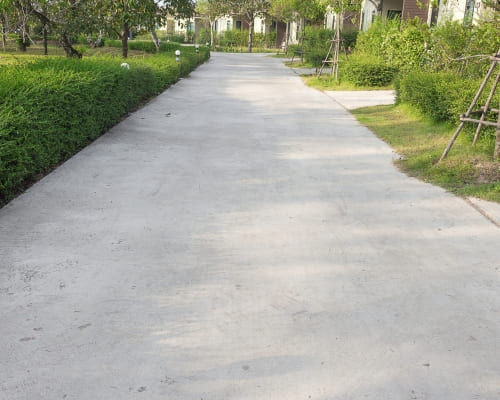
Concrete driveways Mildura homeowners build are one of the largest slabs on a property and one of the most visible. A good driveway sits level, drains away from the house and garage, carries the heaviest vehicle the owner will park on it, and keeps its looks for decades.
New driveways for new homes
New homes in growth areas such as Mildura South and across the river at Gol Gol and Buronga usually need a driveway once the house is finished. The driveway is designed with the house levels, garage slab and street crossover in mind, so water runs to the right place. Paths and an alfresco can be poured in the same job so the finish matches.
Replacing a cracked or sunken driveway
Older driveways around the established parts of Mildura, Irymple, Merbein and Red Cliffs often show cracking, sunken sections at joints, or a surface worn by decades of traffic. Where the damage is structural, the old slab is broken out and removed, the base is rebuilt and a new driveway is poured. Where the slab is sound but tired, the concrete resurfacing page explains a cheaper alternative.
Widening a single driveway to a double
Many homes built with a single driveway now need room for two cars, a boat or a caravan. A new strip is poured beside the existing slab, tied in with steel dowels so the two do not move apart, or the whole driveway is replaced so the finish matches. The crossover may need widening too, which needs council approval.
Vehicle crossovers and council permits
The crossover is the section between the property boundary and the road. It sits on council land, so a permit is usually needed from the local council, either Mildura Rural City Council on the Victorian side or Wentworth Shire Council across the river in New South Wales, and it is built to the council's standard drawings and inspected. The permit is checked before work starts.
Peak Concreting Mildura
Driveway Excavation, Base, Thickness, Mesh and Joints
A driveway lasts as long as the work beneath its surface. Most failures trace back to the base, the thickness, the steel or the joints.
Driveway excavation and a compacted crushed rock base
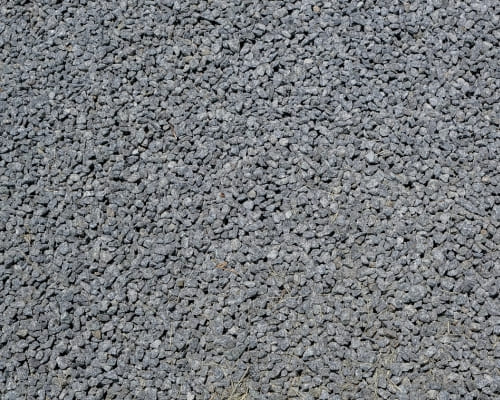
Driveway excavation removes topsoil, roots and loose material to the depth needed for the base and slab. A crushed rock base is spread and compacted in layers to give firm, even support. On sandy ground this stops settling and washouts; on clay it gives a consistent layer under the slab. Soft spots found during excavation are dug out and replaced before the slab goes down.
How thick a driveway slab needs to be
A residential driveway for cars is commonly 100mm thick, increased to 125mm or more where heavier vehicles, caravans or trucks will use it. Concrete strength of 25 to 32MPa suits most driveways, with a higher grade on damp or salty ground. The crossover follows the council's specified thickness.
Mesh, control joints and crack control
Steel reinforcing mesh, typically SL72 or SL82 for driveways, is set on bar chairs so it sits within the slab rather than on the ground. Control joints are saw-cut or tooled at regular intervals, often every three to four metres and at changes of shape, so the shrinkage cracks every slab develops form neatly in the joints. Expansion joints separate the driveway from the house slab, garage and paths.
Falls, grated drains and where driveway water goes
Driveways are laid with a fall so rain runs away from the garage and house. Where the driveway falls towards the garage, a grated strip drain across the entrance catches water and connects to stormwater. Long driveways may need side falls or drains along their length so water does not pool.
Peak Concreting Mildura
Why Choose Peak Concreting for Concrete Driveways in Mildura
A driveway is a big investment, and most problems only show months or years later. Peak Concreting measures every job on site, lists every stage on a fixed written quote, and builds for the climate and ground in Sunraysia rather than to a generic recipe.
Driveways poured early in the Mildura heat
Mildura receives only about 270 to 290mm of rain a year and has summer days above 40C. On those days fresh concrete can lose surface moisture faster than it bleeds, which causes plastic shrinkage cracking and a weak, dusty surface. Summer driveways are poured from early morning, an evaporation retarder is used during finishing, and the slab is wet-cured under damp hessian or a curing compound for at least three to seven days.
Mallee sand, clay pockets and salty ground
Most ground around Mildura is deep, sandy and lime-rich, which drains well but needs compacting. Some areas have Red Sodosol clay subsoils or cracking clays that move with moisture, and the site class under AS 2870 guides reinforcement and joint spacing there. Older irrigation blocks can sit on shallow, salty water tables; on those, the slab is laid on a membrane and the mix upgraded so salt does not attack the concrete or steel.
Peak Concreting Mildura
What a Concrete Driveway Costs in Mildura
A plain broomed concrete driveway is the most economical concrete option. Exposed aggregate and coloured driveways cost more, and stamped driveways cost the most. Replacements cost more than new driveways because the old slab must be broken out and removed.
How a driveway is priced per square metre
Driveways are priced per square metre, then adjusted for thickness, reinforcement, finish and site conditions. Larger driveways cost less per square metre than small ones because setup and equipment are spread over more area. Every quote is a fixed written price after an on-site measure.
Demolition, access and site preparation
Breaking out and removing an old driveway, excavating extra depth on soft ground, and bringing in more base material all add to the cost. Tight access may mean a concrete pump is needed. The crossover permit and its construction are listed separately on the quote.
Peak Concreting Mildura
Concrete Driveways Versus Asphalt, Pavers and Gravel
Concrete is the most common driveway surface in Mildura, but it is not the only option.
Concrete versus asphalt driveways
Asphalt can cost less up front, but it softens in strong heat, ruts under parked vehicles and needs resealing. In a climate with many 40C days, concrete stays hard and keeps its shape, and it reflects more heat than black asphalt. Concrete also lasts longer with less maintenance.
Concrete versus pavers and gravel
Pavers look attractive and can be lifted for repairs, but on sandy ground they can sink, spread and grow weeds between joints. Gravel is cheap but scatters, ruts and sends dust into the house. Concrete gives a solid, dust-free, low-maintenance surface for most homes, and gravel remains an option for very long rural tracks.
Peak Concreting Mildura
Driveway Finishes: Plain, Exposed Aggregate, Coloured and Stamped
The finish decides how a driveway looks, how much grip it has and how well it hides marks.
A broomed plain concrete finish
A broomed finish leaves fine ridges across the driveway for grip. It is the most economical choice and suits any home. A smooth trowelled border around the edges gives a neat frame, and a sealer helps it resist oil stains.
Exposed aggregate driveways
Exposed aggregate driveways show natural stones in the surface, giving excellent grip and hiding tyre marks and dust. They are one of the most popular choices for new homes. The exposed aggregate concrete page covers stone blends and how the finish is laid.
Concrete driveway colours and coloured driveways
Coloured driveways use oxide pigment mixed through the concrete. Charcoal and grey hide tyre marks well, while sandstone and lighter colours stay cooler in summer. The colour is chosen to suit the roof, brick or render. The coloured concrete page explains the colour options.
Stamped concrete driveways
Stamped driveways press a slate, cobblestone or brick pattern into coloured concrete for a paved look without loose joints. They need resealing every few years and a grippy sealer. The stamped concrete page shows the patterns.
Peak Concreting Mildura
Rural and Long Driveways on Larger Sunraysia Blocks
Rural-residential areas around Mildura, such as Birdwoodton, Nichols Point and Cardross, have larger blocks with longer driveways and heavier vehicles.
Long driveways poured in stages
Long driveways are often poured in sections over more than one day. Each section ends at a construction joint with steel dowels, so the slabs line up and move together. Pouring in stages keeps every section within the time the crew can place and finish it properly, which matters most in summer heat.
Turning areas, shed aprons and machinery access
Rural driveways often include turning areas for trucks or caravans and aprons in front of sheds. Areas carrying trucks, tractors or loaded trailers are built thicker, with heavier mesh, on a well-compacted base. The concrete slabs and footings page covers shed slabs.
TESTIMONIALS
What Our Concrete Driveways Customers Say About Us
The Process
3 Step Process For Your Concrete Driveways Needs

1. Free On-Site Quote
The driveway is measured, the ground, falls and crossover are checked, and a fixed written price is given that lists demolition, excavation, base, steel and the chosen finish.

2. Base Prep and the Pour
Any old driveway is broken out, the ground is excavated and a crushed rock base is compacted, then formwork, mesh on chairs and the council crossover are set out.

3. Curing and Handover
The concrete is poured early, finished, jointed and wet-cured for several days, and the driveway is kept clear of cars until it has gained strength.
Concrete Driveways In Mildura
FREQUENTLY ASKED QUESTIONS
Everything you need to know about our Concrete Driveways In Mildura
How much does a concrete driveway cost?
It depends on the size, thickness, finish, demolition and access. Plain broomed driveways cost least, while exposed aggregate, coloured and stamped finishes cost more. A fixed written quote after an on-site measure sets out every item.
How long before a new driveway can be driven on?
Foot traffic is usually fine after a day or two. Cars typically wait about seven days, and heavier vehicles longer, especially in cool weather. Curing continues for weeks after the pour.
Why do concrete driveways crack?
Concrete shrinks as it dries, and every slab develops some cracks. Control joints guide them into straight lines. Poor bases, missing mesh, fast drying in heat, tree roots and heavy vehicles cause the cracks that become problems.
Can a driveway be poured over an old one?
Usually not. Pouring over an old, cracked driveway carries its cracks into the new slab and raises the levels. The old driveway is normally removed. A sound but worn driveway can be resurfaced instead.
Does a driveway need a council permit?
The crossover between the boundary and the road usually needs a permit from the council, because it is on council land. The driveway within the property usually does not. Requirements are checked before quoting.
Can concrete be poured in a Mildura summer?
Yes, with planning. Driveways are poured early in the morning, protected from evaporation and wet-cured for several days. Very hot, windy days are avoided where possible.
Request A Free Concrete Driveways Quote
BUSINESS
SERVICES
OPERATING HOURS
Sun: 7:00am - 9:00pm
Mon: 7:00am - 9:00pm
Tue: 7:00am - 9:00pm
Wed: 7:00am - 9:00pm
Thu: 7:00am - 9:00pm
Fri: 7:00am - 9:00pm
Sat: 7:00am - 9:00pm