Honed Concrete Mildura, a Smooth Stone Finish Poured for the Heat
Honed Concrete Experts
Peak Concreting Mildura is a local concrete contractor delivering residential and commercial concreting across Mildura and the Sunraysia region, on both sides of the Murray. The work covers concrete driveways, slabs and footings, exposed aggregate, coloured, stamped and honed finishes, polished floors, paths, kerbs, retaining walls, sealing, resurfacing and repairs. Every job starts with the ground: stable Mallee sand, reactive clay pockets or damp, salt-prone irrigation blocks each get the base, mix and membrane they need. Pours are timed for the cooler early hours and cured properly, because curing in the dry Sunraysia heat decides how long a slab lasts. Every quote is fixed and written after an on-site measure.
Honed concrete in Mildura is a slab ground back with diamond tooling until the surface turns smooth and matte and the stone in the mix shows through. It suits alfresco areas, pool surrounds, courtyards, paths and front entries, and inside it makes a hard-wearing floor for homes and sheds. Peak Concreting pours every honed slab with the grind in mind: a stronger mix with a chosen aggregate, a flat finish, an early-morning pour to beat the Sunraysia heat and a full wet cure before any grinding starts. The surface is then grouted, densified and sealed, with grip added wherever the slab will be wet underfoot. Call 0485 032 128 for a free on-site measure and a fixed written quote for honed concrete in Mildura.
Peak Concreting Mildura
Honed Concrete Mildura: What It Is and Where It Suits
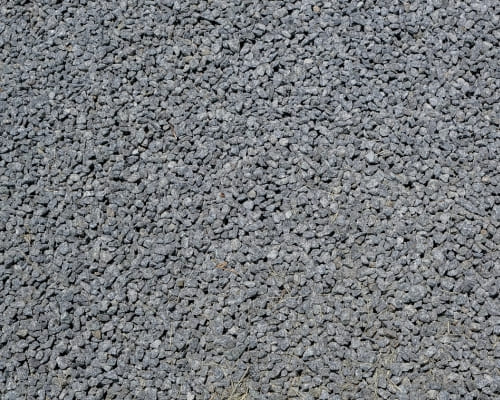
Honed concrete Mildura homeowners ask about is a finish, not a different kind of concrete. A normal slab is poured, cured and then ground back with diamond tooling, which cuts through the cement skin at the top and refines the surface until it is smooth and matte. Honing stops well short of a high gloss, so the result reads as natural stone rather than a shiny floor, and the slab keeps more grip than a polished surface.
Honed concrete finishes: cream, salt-and-pepper and full stone
How far the grinder cuts decides the look. A cream finish takes off only the thinnest layer, so the surface stays mostly cement-coloured with a few specks of sand showing. A salt-and-pepper finish goes a little deeper and exposes the fine sand and the tips of the smaller stones, giving an even speckled surface. A full stone finish cuts down through the top of the coarse aggregate, so cross-sections of the stones show right across the slab. The level is agreed before the pour, because it changes how the slab is placed and finished.
Honed alfresco areas and courtyards
Alfresco areas and courtyards are the most common honed jobs in Mildura. The surface is smooth enough to sweep easily, sits flat for outdoor furniture and looks at home beside a modern house or a renovated older one. Because the finish is ground into the slab rather than painted on, there is no coating to peel or blister in a long summer. A sealer protects it from barbecue fat, wine and the fine dust that blows across the Mallee.
Honed concrete driveways and paths
Honed driveways and paths give a front yard a clean, even look that matches a honed alfresco at the back. A driveway is ground to a salt-and-pepper or light stone finish rather than a fine cream, because the extra texture holds better under tyres and in wet weather. Paths and front entries can take a finer finish, with an anti-slip additive in the sealer where water collects. The concrete driveway page covers base preparation, thickness and reinforcement for vehicle loads.
Honed concrete floors inside homes and sheds
Inside the house, a honed slab becomes the finished floor: no tiles, no grout lines and nothing to lift. It pairs well with hydronic heating and with the cool interiors that suit a hot climate. In sheds, garages and workshops, a light hone removes the weak surface layer that dusts and wears, and a densified, sealed surface stands up to vehicles, tools and oil far better than a raw slab. Floors that need a mirror-like sheen belong with polishing rather than honing.

Peak Concreting Mildura
How Concrete Is Honed: Grinding, Grouting and Sealing
Honing is done in stages, with each pass of the grinder refining the scratches left by the one before. The slab must be fully cured first, usually several weeks after the pour, so the grinder cuts clean stone and cement rather than tearing soft concrete.
Grinding with diamond tooling, step by step
The first passes use coarse metal-bond diamonds, typically around 30 to 40 grit, to cut through the cement skin to the chosen depth. Medium metal-bond diamonds around 60 to 80 grit then remove those deep scratches, and finer diamonds around 120 to 200 grit bring the surface up to a smooth, even matte. Each pass runs across the slab in overlapping lines, edges are finished with a smaller hand grinder, and the slurry is vacuumed or washed away between stages. Stopping at this level is what makes it a hone rather than a polish.
Grouting pinholes and densifying the surface
Grinding opens up small air voids and pinholes that were hidden under the cement skin. These are filled with a cement-based grout worked into the surface, then ground again so the fill is flush. A densifier, usually a lithium or sodium silicate, is then applied. It reacts with the cement in the top layer to make it harder and less porous, which reduces dusting, improves resistance to wear and helps the sealer perform.
Penetrating and topical sealers
Every honed slab is sealed. A penetrating sealer, such as a silane or siloxane, soaks into the surface and repels water and stains without changing the look or adding a film. A topical sealer, such as an acrylic or polyurethane, forms a thin protective coat that can deepen the colour slightly and makes cleaning easier, and grit can be added to it for extra grip. The choice depends on where the slab is and how it will be used, and the concrete sealing page explains each type and how often it needs renewing.
Honing an existing slab versus a new pour
An existing slab can sometimes be honed, but only if it is sound, thick enough, free of major cracks and made with an aggregate worth showing. Many older plain slabs were never designed to be ground, so the stone may be small, uneven or sparse once exposed, and old patches and cracks show clearly. A new pour gives full control over the mix, the stone, the flatness and the curing, which is why most honed work in Mildura starts with a fresh slab placed for the purpose.
Peak Concreting Mildura
Why Choose Peak Concreting for Honed Concrete in Mildura
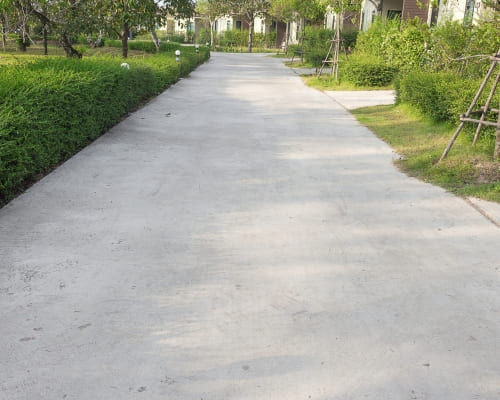
A honed finish exposes the inside of the slab, so every weakness in the pour shows: segregated stone, a hollow patch, an uneven surface or cracks from poor curing. Peak Concreting places and cures each honed slab as the first part of the finish rather than handing it over to a separate grinding crew, and every quote lists the mix, the finish level and the sealer so owners know exactly what is being built.
Pours timed for Mildura summers
Mildura sees only about 270 to 290mm of rain a year and has summer days above 40C, so fresh concrete can lose surface water faster than it bleeds up from below. When evaporation passes about 1kg per square metre per hour, plastic shrinkage cracks are almost certain, and on a honed slab those cracks are ground open for everyone to see. Summer pours start early in the morning, an evaporation retarder is sprayed on before finishing, wind and sun are screened where possible, and the slab is wet-cured under damp hessian or a curing compound for at least three to seven days.
Mixes and membranes for salty, damp ground
Parts of the Sunraysia irrigation districts carry shallow water tables and salt, which attack cement paste and the steel inside a slab. Where the ground is damp or salty, the slab sits on a continuous damp-proof membrane, the mix is upgraded to a higher grade such as N32 or a sulfate-resisting cement, and the reinforcement keeps the cover required by AS 3600. Sandy Mallee ground is usually stable, but the site class under AS 2870 is confirmed by a site test on each lot rather than assumed, because some Red Sodosol and clay pockets are reactive.
Peak Concreting Mildura
What Honed Concrete Costs in Mildura
Honed concrete costs more than a plain broom-finished slab because it adds grinding, grouting, densifying and sealing on top of the pour. It usually costs less than a full polish, which needs many more grinding passes, and it is generally comparable with a quality exposed aggregate finish.
What moves the honed concrete price per square metre
Size matters most: a large alfresco spreads the setup cost across more square metres than a small entry. The finish level comes next, because a full stone finish needs deeper cuts and more passes than a cream finish. A chosen decorative aggregate or tinted cement adds to the material cost, and a damp-proof membrane or upgraded mix adds where the ground calls for it. Tight access, steps, edges and pool coping take more hand grinding, and removing an old slab adds demolition and disposal.
What a fixed written quote includes
Each quote is a fixed written price after an on-site measure. It sets out the excavation and base preparation, the membrane and reinforcement, the concrete grade and aggregate, the finish level, the grout, densifier and sealer, and the curing method. Anything that could change the price, such as removing an old slab or extra steps, is listed separately, so there are no surprises once the job starts.
Peak Concreting Mildura
Honed Versus Polished Concrete, Exposed Aggregate and Pavers
Honed concrete sits between several popular surfaces, and the right choice depends on where the surface is, how much grip it needs and how it should look.
Honed versus polished concrete
Both are ground with diamonds, but polishing carries on through much finer grits to build a gloss, while honing stops at a smooth matte. Polished floors suit interiors where a reflective sheen is wanted and the floor stays dry. Honed surfaces keep more grip and less glare, which is why they are the better choice outside and around water. The polished concrete page covers the higher-gloss options for living areas.
Honed versus exposed aggregate
Exposed aggregate is made by washing the cement paste off the top of a fresh slab, leaving the rounded tops of the stones standing proud. It has a textured, rugged surface with strong grip and suits driveways. Honed concrete cuts through the stones instead, so the surface is flat and smooth with the stone shown in cross-section. Honed feels better underfoot and is easier to sweep; exposed aggregate hides tyre marks and dust better. The exposed aggregate concrete page explains that finish in detail.
Honed versus pavers and tiles
Pavers and tiles bring joints, and joints bring weeds, ants, sand loss and uneven edges over time, especially on sandy ground that can wash out from below. A honed slab is one continuous surface with only planned saw-cut joints. Pavers can be lifted and relaid in sections, which helps where services run underneath, while tiles over a slab can crack or turn drummy if the bond fails in the heat. Honed concrete avoids both problems and keeps a natural stone look.
Peak Concreting Mildura
Honed Concrete Around Pools: Grip, Heat and Pool Water
Pool surrounds are where honed concrete is chosen most often in Mildura, and also where the detail matters most, because the surface is wet, walked on barefoot and baked in the sun.
Slip resistance on a wet pool deck
Slip resistance in Australia is rated under AS 4586, and areas walked on wet and barefoot, such as pool surrounds, call for a higher rating than a dry indoor floor. A honed pool deck is left at a coarser grit than an indoor floor and sealed with an anti-slip additive, so it keeps grip when splashed. The finish can be tested on a sample area before the whole surround is done, and the sealer is chosen for grip rather than gloss.
Surface temperature for bare feet in summer
Dark surfaces absorb more sun than light ones, so on a 40C Mildura afternoon a dark charcoal deck can be uncomfortable to walk on. Pale cements and light-coloured aggregates reflect more of that heat and stay noticeably cooler underfoot. A honed surface also avoids the dark sealer films that build up heat. For pool areas, the colour and stone are chosen with bare feet in mind, not only the look.
Chlorine, salt water and resealing
Pool water splashes chlorine and, in salt-chlorinated pools, salt onto the surround. As the water evaporates in the heat, salt crystals can form in the top of an unsealed slab and slowly break down the surface. A sealed honed deck resists this, and the sealer is renewed every few years, sooner on surrounds that get constant splashing. Rinsing the deck with fresh water after heavy use also helps.
Peak Concreting Mildura
Honed Concrete Colours and Aggregate Blends
Because honing cuts through the top of the slab, both the cement colour and the stone in the mix become part of the finish. Both are chosen before the pour.
Natural grey and tinted cement bases
Standard grey cement gives a classic, cool-toned honed surface. Off-white cement or a light oxide tint gives a paler base that suits pool areas and coastal-style homes, while charcoal tints suit contemporary designs but run warmer in the sun. Oxide colours are mixed through the whole slab, so the colour is consistent after grinding. Coloured mixes are covered in more depth on the coloured concrete page.
Stone colours and sizes that show when ground
The aggregate decides the character of the finish. Grey and blue stones give a subtle, even look; warm browns, creams and reds suit earthy designs; and mixed blends give more contrast. Stone size matters too: a 7mm blend shows as fine speckles, while a 10 to 14mm stone gives larger, bolder cross-sections. A sample panel or an existing local slab with the same blend is the best way to judge the result before committing.
TESTIMONIALS
What Our Honed Concrete Customers Say About Us
The Process
3 Step Process For Your Honed Concrete Needs

1. Free On-Site Quote
The area is measured, the finish level and stone blend are chosen from samples, and a fixed written price is given that lists the base, mix, grinding stages and sealer.

2. Base Prep and the Pour
The ground is excavated and compacted, membrane and mesh are set, and a stronger mix with the chosen aggregate is poured early in the morning, finished flat and wet-cured for several days.

3. Curing and Handover
Once cured, the slab is ground with diamond tooling to the chosen exposure, grouted, densified and sealed, with an anti-slip additive wherever the surface will be wet.
Honed Concrete In Mildura
FREQUENTLY ASKED QUESTIONS
Everything you need to know about our Honed Concrete In Mildura
Is honed concrete cheaper than polished concrete?
Usually, yes. Honing stops after fewer grinding passes than polishing, so it takes less time and less tooling. The exact difference depends on the area, the finish level and the sealer. A fixed written quote sets out each stage so the two options can be compared.
How long does a honed concrete job take?
The slab is poured, finished and cured first, which takes a few days on site plus a curing period before grinding. Grinding, grouting, densifying and sealing then take a few days, depending on the area and finish level. The full timeline is written into the quote.
Will a honed slab crack in the Mildura heat?
Any slab can crack, which is why honed slabs are poured early on summer mornings, protected from evaporation and wet-cured for several days. Saw-cut control joints are placed so that any shrinkage cracking follows a straight line rather than wandering across the finish. Good curing is the biggest single factor.
How often does honed concrete need resealing?
It depends on the sealer and the exposure. Penetrating sealers and topical sealers on a sheltered alfresco can last several years, while pool surrounds and driveways in full sun need attention sooner. A quick water-drop test shows when the sealer has worn: if water soaks in rather than beading, it is time to reseal.
Does honed concrete stain?
A sealed honed surface resists most stains, including wine, coffee and barbecue fat, if spills are wiped up promptly. Unsealed or worn areas are more porous and can mark. Rust from metal furniture and fertiliser granules are the most common culprits outdoors, so a sound sealer is the best protection.
Can honed concrete be poured in winter?
Yes. Cooler weather slows setting and curing, so the grinding is timed a little later to suit, but the cooler months avoid the evaporation problems of a summer pour. Many owners book alfresco and pool work through autumn and winter so it is ready before the hot season.
Request A Free Honed Concrete Quote
BUSINESS
SERVICES
OPERATING HOURS
Sun: 7:00am - 9:00pm
Mon: 7:00am - 9:00pm
Tue: 7:00am - 9:00pm
Wed: 7:00am - 9:00pm
Thu: 7:00am - 9:00pm
Fri: 7:00am - 9:00pm
Sat: 7:00am - 9:00pm