Exposed Aggregate Concrete Mildura, Natural Stone Finishes Built for the Heat
Exposed Aggregate Concrete Experts
Peak Concreting Mildura is a local concrete contractor delivering residential and commercial concreting across Mildura and the Sunraysia region, on both sides of the Murray. The work covers concrete driveways, slabs and footings, exposed aggregate, coloured, stamped and honed finishes, polished floors, paths, kerbs, retaining walls, sealing, resurfacing and repairs. Every job starts with the ground: stable Mallee sand, reactive clay pockets or damp, salt-prone irrigation blocks each get the base, mix and membrane they need. Pours are timed for the cooler early hours and cured properly, because curing in the dry Sunraysia heat decides how long a slab lasts. Every quote is fixed and written after an on-site measure.
Exposed aggregate concrete in Mildura is a slab with the cement paste washed off its surface to reveal the natural stones in the mix, giving driveways, paths, patios and pool surrounds a textured, grippy finish that hides dust and tyre marks. Peak Concreting lays it with a chosen stone blend, either mixed through the whole slab or seeded into the surface, sprays a surface retarder after finishing and washes the stone back at the right moment, then acid cleans and seals the cured slab. In Sunraysia summers that timing is tight, so pours start early, the base is built for Mallee sand, clay pockets or salty ground, and the whole area goes down in one continuous pour. Call 0485 032 128 for a free on-site measure and a fixed written quote for exposed aggregate concrete in Mildura.
Peak Concreting Mildura
Exposed Aggregate Concrete Mildura: Driveways, Paths, Patios and Pool Surrounds
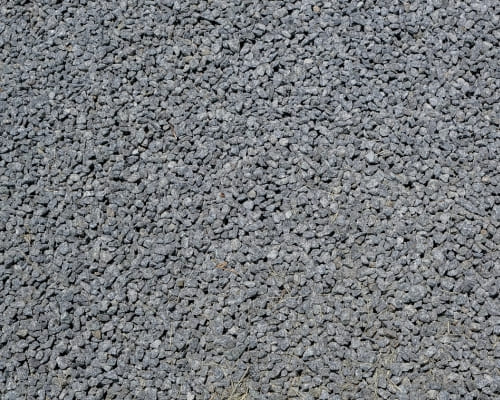
Exposed aggregate concrete Mildura homes choose shows the stone in the mix rather than a smooth cement surface. The top layer of cement paste is removed while the concrete is still green, leaving the tops of the stones standing slightly proud. The result is a natural, textured surface with excellent grip, and the stone colours can be chosen to suit the house.
Exposed aggregate concrete driveways
Driveways are the most common use. The textured surface gives tyres and feet grip in wet weather, and the mix of stone colours hides oil spots, tyre marks and the fine dust that settles on every Mildura driveway. A driveway is built at the usual thickness for vehicles, typically 100 to 125mm with steel mesh, on a compacted crushed rock base, and the stone finish runs from the garage to the crossover. The concrete driveway page covers base and crossover requirements.
Paths and side access
Exposed aggregate paths match the driveway and give a non-slip surface along the side of the house, to the clothesline and through the garden. The same falls and damp-course clearances apply as for any path, and narrow paths get closely spaced control joints so cracks stay straight. A smaller stone size gives a finer texture for paths walked every day.
Patios, alfresco areas and exposed aggregate around pools
Patios and alfresco areas suit exposed aggregate because it looks natural beside gardens and lawns. Around pools, the textured surface gives grip when wet, and a smaller, rounded stone and a lighter blend keep the surface comfortable for bare feet. A sealer resists chlorine and salt water, and coping and step edges are finished neatly.

Peak Concreting Mildura
How Exposed Aggregate Concrete Is Laid: Mix, Placement and Wash-Off
Exposed aggregate depends on doing each step at exactly the right time, from the mix design to the wash-off.
Seeded aggregate versus a full aggregate mix
In a full aggregate mix, the decorative stone is batched through the whole load at the plant, so the slab is consistent from top to bottom and chips show stone rather than plain concrete. In a seeded finish, a standard mix is poured and the decorative stone is broadcast over the surface and pressed in, which uses less decorative stone and suits blends that are expensive or hard to batch. Both give a similar finished look when done well.
Placing and finishing the slab
The concrete, typically 25 to 32MPa, is placed, screeded to level and bull-floated to bring a thin layer of paste over the stones, with care taken not to overwork the surface and drive the stone too deep. Edges are finished with an edging tool, and the slab is checked for even stone distribution before the next step.
Revealing the stone: timing the wash-off
A surface retarder is sprayed over the finished slab. It slows the setting of the top few millimetres while the rest of the slab hardens. Once the slab is firm enough to walk on but the surface paste is still soft, the paste is washed and brushed away to reveal the stone, typically exposing about a third of each stone's depth. Wash too early and stones come loose; too late and the paste will not come off evenly.
Acid cleaning and the first seal
A few weeks after the pour, the slab is cleaned with a diluted acid wash to remove the cement film left on the stones, which brightens the colours. It is then rinsed and neutralised, dried and sealed. The first seal locks in the stone, deepens the colour and protects the surface from oil and stains.
Peak Concreting Mildura
Why Choose Peak Concreting for Exposed Aggregate Concrete in Mildura
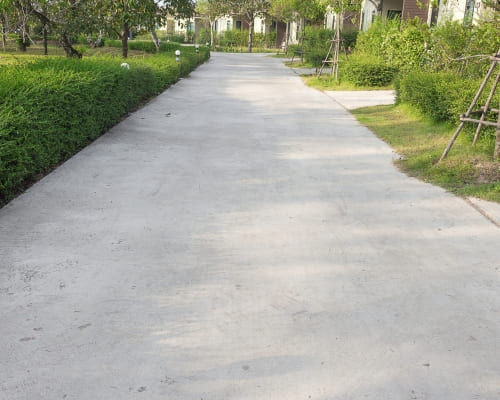
An exposed aggregate slab cannot be fixed once the stone is revealed unevenly, so the work is planned around the conditions on the day. Peak Concreting books the crew and concrete to place the whole area in one pour, names the blend, mix and sealer on the quote, and prepares the ground before the stone ever arrives.
Early pours and retarder in the Mildura heat
Mildura receives only about 270 to 290mm of rain a year and summer days often reach 40C. In those conditions the surface of a fresh slab can dry in minutes, the retarder has to go on quickly, and the window for washing shortens. Summer exposed aggregate pours start early in the morning, an evaporation retarder is used during finishing, the surface retarder is applied as soon as finishing is done, and the wash-off is timed by checking the surface rather than the clock.
Bases for Mallee sand, clay pockets and salty ground
Most ground around Mildura is deep, sandy and lime-rich, which drains well but needs compacting so the slab does not settle. In pockets of reactive clay, the site class under AS 2870 guides reinforcement and joint spacing. On older irrigation blocks with shallow, salty water tables, a membrane goes under the slab and the mix is upgraded where needed, because salt rising through the slab can leave white deposits on the stones.
Peak Concreting Mildura
What Exposed Aggregate Concrete Costs in Mildura
Exposed aggregate costs more than a plain broomed slab because of the decorative stone, the retarder, the extra labour of washing off and the acid clean and sealing. It usually costs less than stamped concrete and is broadly comparable with coloured concrete.
Exposed aggregate concrete cost per square metre
Exposed aggregate is priced per square metre. Larger areas cost less per square metre because the setup, pump and crew are spread further. Premium imported or specialty stone blends cost more than local river pebble blends, and a seeded finish can bring the cost of an expensive blend down. Each quote is a fixed written price after an on-site measure.
Where the money goes: base, stone, labour and sealing
Roughly, the cost splits between the groundwork (excavation, base and formwork), the concrete and stone, the labour to place, finish and wash the slab, and the cleaning and sealing at the end. Removing an old slab, poor access needing a pump, and a membrane on damp ground add to the groundwork side.
Peak Concreting Mildura
Exposed Aggregate Versus Plain, Coloured and Honed Concrete
Exposed aggregate is one of several finishes for outdoor concrete, and each has strengths.
Against a plain broomed finish
A plain broomed slab is the cheapest finish and gives good grip, but it shows tyre marks, oil and dust readily, and patches look obvious. Exposed aggregate costs more but hides marks, has a more natural look and adds value to the front of a home.
Against coloured concrete
Coloured concrete has a smoother, more uniform surface in a single colour, while exposed aggregate shows the variation of natural stone. The two can be combined with a tinted cement base under the stone. The coloured concrete page covers colour options.
Against honed concrete
Honed concrete grinds through the stones to show them as flat cross-sections in a smooth surface, which suits alfresco areas and pool surrounds where a smooth finish is wanted. Exposed aggregate leaves the stones rounded and standing proud, which gives more grip for driveways. The honed concrete page explains that finish.
Peak Concreting Mildura
Exposed Aggregate Concrete Colours and Stone Blends
The stone blend sets the colour of the finished slab, so it is chosen before the concrete is ordered.
River pebble, quartz and granite blends
River pebble blends give rounded stones in mixed browns, greys and creams, which suit most homes and gardens. Quartz blends bring white and translucent stones for a brighter look. Granite and basalt blends give crushed, angular stones in greys, blacks and reds for a more modern finish. Stone sizes from about 7mm to 14mm change the texture, with smaller stones giving a finer surface.
White and light blends for cooler surfaces
In a Mildura summer, dark surfaces get much hotter than light ones. White quartz, cream and light river pebble blends on a light cement base reflect more sun and stay cooler underfoot, which matters around pools and on paths walked barefoot. Lighter blends do show dust and stains a little more, so sealing is important.
Tinted cement bases under the stone
The cement paste between the stones is visible in the finished slab, and tinting it changes the overall look. A charcoal base makes stones stand out and suits modern homes, a buff or sandstone base warms the look, and a natural grey base keeps the stone colours true. The tint is mixed through the concrete so it stays consistent.
Peak Concreting Mildura
Exposed Aggregate Problems: Loose Stones, Haze and Patchy Reveals
The common problems with exposed aggregate all come from timing, mix or maintenance, and each is avoided at the build.
Loose stones and bald patches
Stones come loose when the surface is washed too early or too hard, or when the paste is too weak to hold them. Bald patches with few stones come from uneven placement or overworking during finishing. Careful finishing, correct wash timing and a sealer that locks the stones in prevent both.
Cloudy haze and uneven colour
A cloudy film on the stones is cement residue that was not cleaned off, or efflorescence rising from damp, salty ground. An acid clean before sealing removes the cement haze, and a membrane and sound mix reduce efflorescence. Uneven colour usually comes from concrete delivered with different water content or poured in separate sessions, which is why the whole area is placed in one continuous pour.
Keeping exposed aggregate clean and resealed
Exposed aggregate is low maintenance: a sweep, an occasional pressure wash and prompt cleaning of oil spills. In full Mildura sun, the sealer usually needs renewing every two to three years to keep the stones bright and locked in. The concrete sealing page explains sealer options and resealing.
TESTIMONIALS
What Our Exposed Aggregate Concrete Customers Say About Us
The Process
3 Step Process For Your Exposed Aggregate Concrete Needs

1. Free On-Site Quote
The area is measured, stone blends are compared from samples and finished jobs, and a fixed written price is given for the base, mesh, concrete, wash-off and sealing.

2. Base Prep and the Pour
The ground is excavated and compacted, formwork and mesh are set, and enough concrete and crew are booked to place, finish and retard the whole area in one early pour.

3. Curing and Handover
The surface is washed to reveal the stone at the right moment, joints are cut, and once cured the slab is acid cleaned and sealed to lock in the stone and colour.
Exposed Aggregate Concrete In Mildura
FREQUENTLY ASKED QUESTIONS
Everything you need to know about our Exposed Aggregate Concrete In Mildura
What are the disadvantages of exposed aggregate concrete?
It costs more than plain concrete, is rougher underfoot than smooth finishes, and needs resealing every few years. Loose stones can occur if it is washed badly. Done properly, it is one of the most durable and low-maintenance outdoor finishes.
Is exposed aggregate cheaper than other decorative concrete?
It is usually cheaper than stamped concrete and similar to coloured concrete, but dearer than a plain broomed finish. Premium stone blends add to the cost.
What kind of concrete is used for exposed aggregate?
A standard structural mix, typically 25 to 32MPa, with a decorative stone blend either batched through the whole mix or seeded into the surface. The stone blend is chosen for colour and size.
How long before an exposed aggregate driveway can be used?
Foot traffic is usually fine after a day or two, and cars typically after about seven days, longer in cool weather. The acid clean and seal are done a few weeks later.
Can exposed aggregate be laid around a pool?
Yes. A smaller, rounded stone and a light blend keep it comfortable for bare feet, and a sealer that resists chlorine and salt water protects it. It gives good grip when wet.
Can old concrete be turned into exposed aggregate?
Not directly, because the stone must be revealed while the concrete is fresh. Old slabs can be resurfaced with a decorative overlay, or replaced with a new exposed aggregate pour.
Request A Free Exposed Aggregate Concrete Quote
BUSINESS
SERVICES
OPERATING HOURS
Sun: 7:00am - 9:00pm
Mon: 7:00am - 9:00pm
Tue: 7:00am - 9:00pm
Wed: 7:00am - 9:00pm
Thu: 7:00am - 9:00pm
Fri: 7:00am - 9:00pm
Sat: 7:00am - 9:00pm