Polished Concrete Mildura, Floors Ground and Polished to Last
Polished Concrete Experts
Peak Concreting Mildura is a local concrete contractor delivering residential and commercial concreting across Mildura and the Sunraysia region, on both sides of the Murray. The work covers concrete driveways, slabs and footings, exposed aggregate, coloured, stamped and honed finishes, polished floors, paths, kerbs, retaining walls, sealing, resurfacing and repairs. Every job starts with the ground: stable Mallee sand, reactive clay pockets or damp, salt-prone irrigation blocks each get the base, mix and membrane they need. Pours are timed for the cooler early hours and cured properly, because curing in the dry Sunraysia heat decides how long a slab lasts. Every quote is fixed and written after an on-site measure.
Polished concrete in Mildura turns a structural slab into the finished floor: ground with diamond tooling, hardened with a densifier and polished through finer and finer pads until it reaches matte, satin or high gloss. It suits open-plan living areas, kitchens, shops, cafes, sheds and workshops, and it needs no tiles, grout or recoating. Peak Concreting pours slabs to be polished and polishes sound existing floors, and treats the slab underneath as part of the finish: a damp-proof membrane on salty or damp irrigation ground, a stronger mix, a flat steel-trowelled surface and a careful cure in the Sunraysia heat. Every stage is listed on a fixed written quote. Call 0485 032 128 for a free on-site measure and a fixed written quote for polished concrete in Mildura.
Peak Concreting Mildura
Polished Concrete Mildura: Flooring for Homes, Shops and Sheds
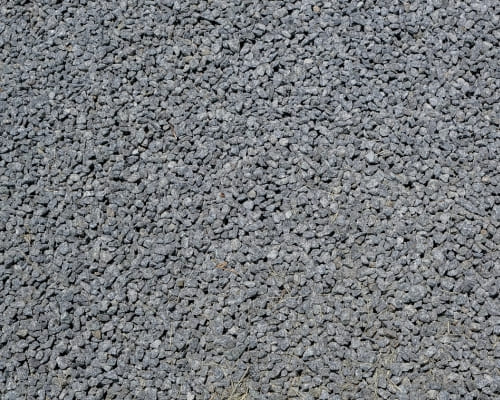
Polished concrete Mildura owners choose is a floor made from the slab itself. Instead of covering the concrete with tiles, timber or carpet, the top of the slab is ground and polished until it becomes the finished surface. The result is hard-wearing, easy to clean and free of joints, and it can range from a soft matte to a mirror gloss.
Open-plan living areas and kitchens
Living areas and kitchens are where most residential polished concrete flooring goes. One continuous surface runs from the entry through the living room and kitchen without thresholds or grout lines, which makes open-plan spaces read larger. The floor shrugs off dropped pots, chair legs and pet claws, and spills wipe up from the sealed surface. Rugs soften it where needed, and the surface works with timber joinery, stone benchtops and most interior styles.
Shops, cafes and commercial floors
Commercial floors take far more foot traffic than a home, plus trolleys, shelving and cleaning machines. A polished slab handles that wear without the chipping of tiles or the peeling of coatings, and it is quick to clean with a scrubber. A densified, guarded floor resists the tyre marks and spills of a busy shop or cafe, and a lower gloss level hides scuffs between maintenance visits. Work is staged to suit trading hours where a business must stay open.
Sheds, garages and workshops
A raw shed or garage slab dusts and wears as the weak top layer breaks down under tyres and boots. A light grind and polish removes that layer, and the densifier hardens what is left, so the floor stops dusting and resists oil and tool marks. A matte or satin finish keeps grip for workshop use. For heavy machinery sheds, the slab design matters as much as the finish, and the concrete slabs and footings page covers thickness and reinforcement.
Polished cement versus polished aggregate: what the names mean
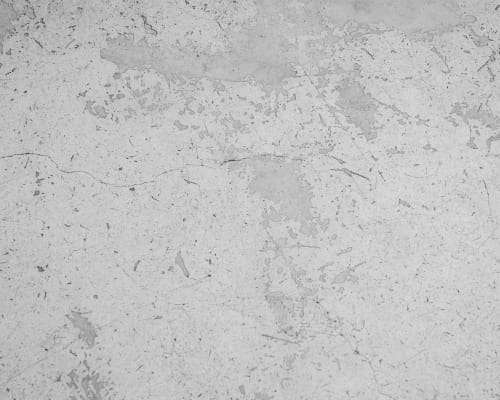
Polished cement usually describes a floor where only the cement and sand at the surface are polished, with little or no stone showing, giving a smooth, even colour. Polished aggregate concrete is ground deeper so cross-sections of the stones show through the surface. Both are polished concrete; the difference is how far the grinder cuts before polishing begins. The choice is made before the slab is poured, because it changes the mix and the finishing of the pour.
Peak Concreting Mildura
How Concrete Polishing Is Done: Grinding, Densifying and Polishing
Concrete polishing is a sequence of grinding and polishing passes, each removing the scratches of the one before. The slab must be fully cured first, so new floors are usually polished several weeks after the pour, once the building is closed in.
Grinding with metal-bond diamonds
Grinding starts with coarse metal-bond diamonds, typically around 30 to 40 grit, which cut through the cement skin to the chosen exposure. Medium metal-bond diamonds around 60 to 80 grit, then finer ones around 120 grit, remove those deep scratches and flatten the surface. Heavy planetary grinders do the main floor, and smaller hand grinders reach edges and corners so the finish is even right to the walls.
Grouting pinholes and applying densifier
Grinding exposes small air voids and pinholes that were hidden in the slab. A cement-based grout is worked into the surface and ground flush so the floor reads as one solid surface. A densifier, usually a lithium silicate, is then applied. It reacts with the free lime in the cement to harden the top layer, reduce dusting and help the surface take a polish.
Resin polishing pads and the grit sequence
After grinding, resin-bond diamond pads take over, typically stepping through about 50, 100, 200, 400 and 800 grit, and on to 1,500 or 3,000 grit for a high gloss. Each step refines the scratch pattern until the surface reflects light. The sheen comes from the concrete itself rather than a coating. A guard, a thin penetrating protective treatment, is applied at the end and burnished in to resist stains.
Mechanically polished versus grind and seal
A mechanically polished floor gets its shine from the polishing passes. A grind and seal floor is ground to the chosen exposure and then coated with a clear topical sealer, such as an acrylic or polyurethane, which provides the sheen. Grind and seal costs less and suits sheds and budget jobs, but the coating wears in traffic lanes and needs recoating. A mechanical polish costs more up front and lasts far longer with only a guard renewal.
Peak Concreting Mildura
Why Choose Peak Concreting for Polished Concrete in Mildura
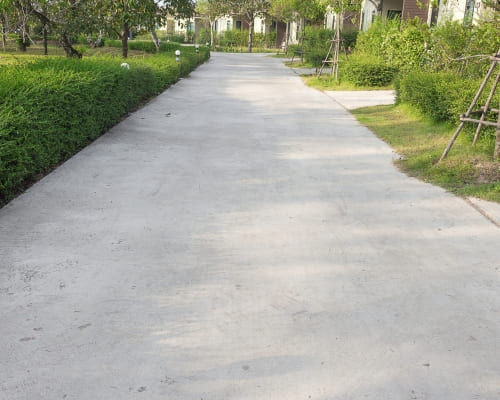
A polished floor shows everything in the slab beneath it: patches, cracks, uneven stone, moisture marks and poor finishing. Peak Concreting pours, finishes and cures slabs as well as polishing them, so a new floor can be planned from the ground up for the finish it will receive, and every quote sets out the mix, the exposure, the gloss and the guard.
Damp-proofed slabs on salty irrigation ground
Parts of the Sunraysia irrigation districts, including older blocks around Mildura, Merbein and Red Cliffs, sit over shallow water tables carrying salt. Moisture and salt rising through a slab can leave white marks and blisters on a polished surface and attack the cement. Slabs to be polished sit on a continuous damp-proof membrane, the mix is upgraded to a higher grade such as N32 or a sulfate-resisting cement where the ground calls for it, and the reinforcement keeps its cover under AS 3600.
Polished concrete slabs poured and cured for the grind
A slab poured to be polished needs a stronger mix, typically 32MPa, an even spread of stone, a flat surface and a dense steel-trowelled finish. In Mildura, with summer days above 40C and very low humidity, the surface can dry faster than it bleeds, so pours start early, an evaporation retarder is used and the slab is wet-cured for at least three to seven days. Through the build, the slab is covered to protect it from paint, plaster and trades.
Peak Concreting Mildura
What Polished Concrete Costs in Mildura
Polished concrete is priced per square metre. A grind and seal finish costs the least, a mechanically polished floor with a cream or salt-and-pepper exposure sits in the middle, and a full aggregate exposure taken to a high gloss costs the most, because it needs the most grinding and polishing passes.
What moves the polished concrete price per square metre
Floor area is the biggest factor, since larger floors spread the setup cost further. Exposure depth and gloss level come next. Many small rooms, steps and edges take more hand grinding than one open space. A damp-proof membrane or upgraded mix adds to a new slab where the ground calls for it, and on existing floors, cracks, patches and uneven areas add repair time.
Polishing an existing floor during a renovation
An existing slab can often be polished once carpet, tiles or timber are lifted, but old glue, paint, tile adhesive and levelling compound must be ground off first, which adds time. A test grind in a corner shows what the stone and colour look like and whether old cracks or patches will show. Some older slabs have small or patchy stone, so a cream or salt-and-pepper finish suits them better than a full exposure.
Peak Concreting Mildura
Polished Concrete Versus Tiles, Timber and Epoxy
Polished concrete competes with every other hard floor, and each has its place.
Polished concrete versus tiles
Tiles bring grout lines that stain and need resealing, and tiles can crack or come loose if the adhesive fails or the slab moves. Polished concrete has no grout and nothing to come loose. Tiles offer more colours and patterns and suit wet areas like showers, where a polished slab is not used. For large living areas, polished concrete is often comparable in cost to a quality tiled floor and needs less upkeep.
Polished concrete versus timber and vinyl
Timber and vinyl are softer and warmer underfoot and quieter in a house. They also scratch, dent and wear, and timber can move with moisture. Polished concrete is far harder and lasts the life of the building with only a guard renewal, but it is hard underfoot and reflects sound, so rugs and soft furnishings matter more in a polished house.
Polished concrete versus epoxy floor coatings
An epoxy coating is a film laid over the slab. It suits workshops and commercial kitchens that need a seamless, chemical-resistant or coloured surface. On damp or salty ground, moisture rising through the slab can lift an epoxy film, while a polished floor has no film to lift. Epoxy can also chip under dropped tools, while polished concrete wears gradually and can be re-polished. Outdoors, a honed concrete finish is usually the better choice than either.
Peak Concreting Mildura
Choosing the Look: Gloss Levels, Stone Exposure and Samples
The look of a polished floor comes from two choices made together: how much stone shows and how much shine the surface has.
Matte, satin and high gloss
A matte finish, typically stopping around 400 grit, gives a soft, low-glare look with good grip. A satin finish, around 800 grit, has a gentle sheen that suits most living areas. A high gloss, taken to 1,500 grit or beyond, reflects light like stone tiles and suits formal areas and shopfronts, though it shows dust and footprints more readily.
Cream, salt and pepper and full aggregate exposure
A cream finish stays close to the surface and shows mostly cement with a few sand specks. A salt and pepper finish exposes fine sand and the tips of small stones for an even, speckled look. A full aggregate exposure cuts through the larger stones to show their full cross-sections. Deeper exposure needs a flatter slab and more grinding, so it is planned before the pour.
Polished concrete samples and test grinds
Because every slab is slightly different, samples and test grinds are the best way to choose. For a new slab, sample panels or existing floors poured with the same mix show the stone and colour. For an existing slab, a small test grind in a hidden corner shows what lies beneath the surface before the full floor is committed.
Peak Concreting Mildura
Living With Polished Concrete: Grip, Heat and Maintenance
A polished floor is low maintenance, but a few practical points are worth knowing before choosing one.
Slip resistance in kitchens, bathrooms and entries
A polished floor has good grip when dry, but water, oil and dust make any smooth surface slippery. Slip resistance is rated under AS 4586, and entries, kitchens and laundries can be given a lower gloss or an anti-slip treatment to raise the rating. In bathrooms, polished concrete suits the floor outside the shower recess, where a matte finish and an anti-slip treatment keep grip when the floor is splashed, while the shower itself is waterproofed and tiled. Mats at external doors stop grit and water being tracked inside, which protects both the grip and the polish.
A cool floor through a Mildura summer
A concrete slab in contact with the ground holds a steady temperature, so a polished floor shaded from direct sun stays cool underfoot through hot Mildura summers. In winter the same mass feels cold, which is why polished floors pair well with hydronic underfloor heating laid in the slab and with rugs in living areas. Windows facing the afternoon sun can be shaded so the floor does not soak up heat.
Cleaning and renewing the guard coat
Daily care is a dry dust mop to remove grit, and a damp mop with a pH-neutral cleaner. Acidic cleaners, vinegar and bleach dull the surface, and fine sand tracked in from outside acts like sandpaper underfoot. The guard is renewed every few years depending on traffic, and a heavily worn floor can be re-polished with fine pads rather than replaced. The concrete sealing page covers sealers for outdoor slabs.
TESTIMONIALS
What Our Polished Concrete Customers Say About Us
The Process
3 Step Process For Your Polished Concrete Needs

1. Free On-Site Quote
The floor is inspected, a test grind shows the stone and colour on existing slabs, and a fixed written price is given for the chosen exposure, gloss and guard.

2. Base Prep and the Pour
New slabs are poured on a membrane with a 32MPa mix and steel-trowelled flat; on existing floors, old glue and coatings are ground off and cracks are repaired.

3. Curing and Handover
The floor is ground with metal-bond diamonds, grouted, densified, polished through resin pads to matte, satin or gloss, and finished with a burnished guard.
Polished Concrete In Mildura
FREQUENTLY ASKED QUESTIONS
Everything you need to know about our Polished Concrete In Mildura
Is polished concrete cheaper than tiling?
For large open areas, polished concrete is often comparable to a quality tiled floor and can cost less over time because there are no grout lines to reseal and nothing to replace. Small rooms with many edges cost more to polish per square metre. A fixed written quote shows the real comparison for a specific floor.
What are the disadvantages of polished concrete?
It is hard underfoot and reflects sound, it feels cold in winter without heating, and it can be slippery when wet. Hairline cracks from normal slab shrinkage can show. Most of these are managed with rugs, underfloor heating, a lower gloss in wet areas and control joints planned at the pour.
How long does it take to polish a concrete floor?
A typical house floor takes a few days of grinding and polishing, depending on area, exposure and gloss. A new slab needs to cure for several weeks before polishing starts. Rooms must be empty, and trades are kept off the floor until it is finished.
Can polished concrete go on an upstairs floor or over timber?
True polished concrete needs a concrete slab of suitable thickness. Over timber floors or thin toppings, a different system such as a cementitious overlay or a coating is needed. The best option is confirmed at the site visit.
Do cracks show in a polished floor?
Concrete shrinks as it cures, so hairline cracks can occur, and polishing makes them visible. Saw-cut control joints placed at the pour guide that shrinkage into straight lines, and careful curing reduces it. Existing cracks can be filled with a colour-matched filler, though they remain faintly visible.
Can underfloor heating go under polished concrete?
Yes. Hydronic pipes are laid in the slab before the pour, and the polished surface transfers heat well. The pipes are protected during grinding by agreeing the exposure depth and pipe cover in advance.
Request A Free Polished Concrete Quote
BUSINESS
SERVICES
OPERATING HOURS
Sun: 7:00am - 9:00pm
Mon: 7:00am - 9:00pm
Tue: 7:00am - 9:00pm
Wed: 7:00am - 9:00pm
Thu: 7:00am - 9:00pm
Fri: 7:00am - 9:00pm
Sat: 7:00am - 9:00pm