Concrete Repairs Mildura, Fixing the Cause as Well as the Crack
Concrete Repairs Experts
Peak Concreting Mildura is a local concrete contractor delivering residential and commercial concreting across Mildura and the Sunraysia region, on both sides of the Murray. The work covers concrete driveways, slabs and footings, exposed aggregate, coloured, stamped and honed finishes, polished floors, paths, kerbs, retaining walls, sealing, resurfacing and repairs. Every job starts with the ground: stable Mallee sand, reactive clay pockets or damp, salt-prone irrigation blocks each get the base, mix and membrane they need. Pours are timed for the cooler early hours and cured properly, because curing in the dry Sunraysia heat decides how long a slab lasts. Every quote is fixed and written after an on-site measure.
Concrete repairs in Mildura start with finding out why the concrete failed. Cracked driveways, spalling paths, concrete cancer, lifted joints, trip hazards and sunken slabs each have a cause, and in Sunraysia that is usually loose Mallee sand washing out or settling, a pocket of reactive clay, tree roots, or salt and damp rising from irrigation-district ground. Peak Concreting inspects the damage, names the cause, then routes and seals cracks, patches spalling with polymer-modified repair mortar, grinds trip hazards level, stitches structural cracks, and lifts or cuts out and re-pours sunken sections. Every quote gives an honest call between repair, resurfacing and replacement. Call 0485 032 128 for a free on-site inspection and a fixed written quote for concrete repairs in Mildura.
Peak Concreting Mildura
Concrete Repairs Mildura: Cracks, Spalling, Concrete Cancer and Trip Hazards
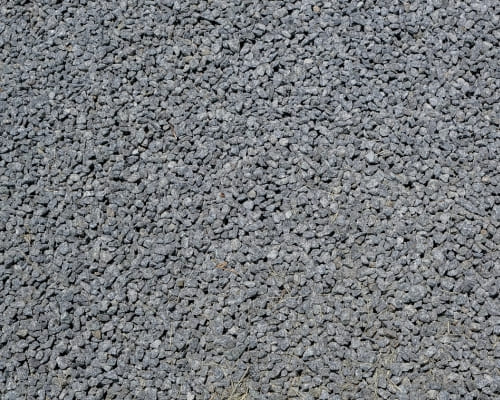
Concrete repairs Mildura homeowners ask for cover a wide range of damage, from a hairline crack across a path to a driveway section that has dropped at a joint. Most of it can be repaired without replacing the whole slab, as long as the cause is understood and dealt with first.
Cracks in driveways, paths and slabs
Concrete cracks for a few main reasons: shrinkage as it cures, movement in the ground underneath, overloading, and tree roots. Hairline shrinkage cracks are common and usually cosmetic. Cracks that are wider, have one side higher than the other, or grow wider each year point to movement and need closer attention. Concrete slab repairs start with telling these apart, because the fix depends on whether the crack is still moving.
Spalling, scaling and concrete cancer
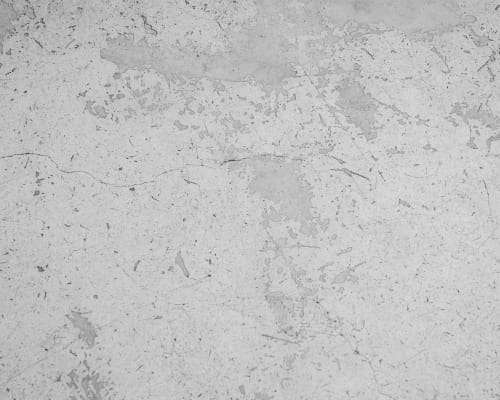
Spalling is when pieces of the surface break away, leaving rough, pitted patches. Scaling is a thinner flaking of the top layer, often from a weak surface or salt. Concrete cancer is spalling caused by rusting reinforcement: the steel expands as it rusts and cracks the concrete off from inside, usually showing as cracks and brown staining before pieces fall away. It needs the steel treated, not just the surface patched.
Open, lifted and failed joints
Control and expansion joints let concrete move without cracking at random. Over time, joint filler perishes, joints fill with sand and weeds, and one side can lift or drop, creating a trip edge. Failed joints are cleaned out and resealed with a flexible sealant, and lifted edges are ground level or the section is reset.
Peak Concreting Mildura
How Concrete Is Repaired: Routing, Patching, Grinding and Stitching
The repair method is chosen to suit the damage and its cause.
Routing and sealing cracks
Non-structural cracks are widened slightly with a crack chaser to give a clean, square groove, then cleaned out with air and filled with a flexible sealant or a rigid repair compound, depending on whether the crack is still moving. Filling stops water, sand and salt getting into the crack and under the slab. On decorative concrete, the filler can be colour-matched.
Patching with polymer-modified repair mortar
Spalled and broken areas are saw-cut around their edges, broken back to sound concrete and cleaned. Any exposed steel is wire-brushed and treated with a rust-inhibiting primer. A bonding agent is applied and the area is rebuilt with a polymer-modified repair mortar, which grips the old concrete, resists cracking and can be finished to match the surrounding surface.
Grinding trip hazards level
Where a slab has lifted or dropped by a small amount at a joint or crack, the high edge can be ground down to remove the trip. A diamond grinder shaves the concrete back to a gentle ramp, which is quicker and cheaper than replacing the section. It suits paths, driveways and patios where the movement has stopped.
Stitching structural cracks
Where a crack runs through a slab and the two sides need to be tied together, it can be stitched. Slots are cut across the crack at intervals, steel stitching bars are set into them with an epoxy or repair mortar, and the crack itself is sealed. Stitching restores continuity across the crack so the slab acts as one piece again.
Peak Concreting Mildura
Why Choose Peak Concreting: Finding the Cause of Concrete Damage in Mildura
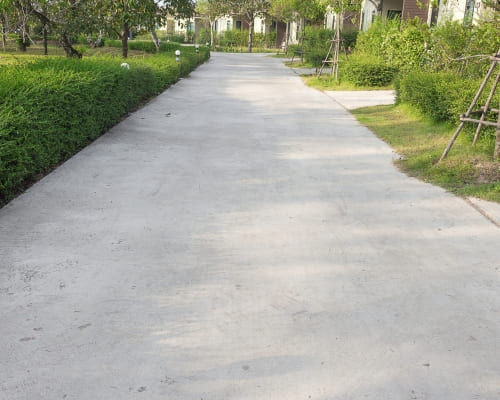
A repair that ignores the cause fails again. Peak Concreting inspects every job before quoting, explains what caused the damage and lists both the repair and the fix for the cause on the quote, so the same crack does not reopen next season.
Settlement on loose Mallee sand
Much of the ground around Mildura is deep, sandy, lime-rich Mallee soil. It drains well and is often a stable base, but loose or poorly compacted sand can settle under a slab, and water from leaking pipes, downpipes or sprinklers can wash it out from beneath an edge. The slab then loses support and cracks or drops. Repairs fix the water source, refill and compact the base where possible, and then repair or replace the concrete.
Reactive clay pockets and tree roots
In parts of the district, the subsoil is a Red Sodosol clay or a cracking Vertosol clay that swells when wet and shrinks when dry. Slabs over these pockets crack as the ground moves with the seasons. Tree roots add their own pressure, lifting paths and driveways as they thicken. Repairs on clay are paired with better drainage and flexible joints, and trees near a slab may need a root barrier.
Salt, damp ground and rusting reinforcement
The Sunraysia irrigation districts, including older parts of Mildura, Merbein and Red Cliffs, carry shallow water tables and salt. Salty moisture rising through a slab attacks the cement paste and speeds up rusting of the steel inside, which leads to scaling and concrete cancer. Repairs on these slabs use salt-resistant repair materials, treat the steel and improve drainage, and a breathable sealer is often recommended afterwards.
Peak Concreting Mildura
What Concrete Repairs Cost in Mildura
Concrete repairs almost always cost less than replacement. Sealing a few cracks or grinding a trip edge is a small job, patching spalling sits in the middle, and stitching structural cracks or lifting and re-pouring sunken sections cost the most.
Why repairs are priced per job
Repair work varies too much for a simple square-metre rate. Two driveways of the same size can need very different work: one a few routed cracks, the other a cut-out section, treated steel and new base. Each repair is priced as a job after inspection, with a fixed written quote that lists every step.
What moves a repair quote
The number and length of cracks, the area of spalling, whether steel is exposed and rusting, and how much concrete needs cutting out all move the price. Fixing the cause, such as redirecting a downpipe, fixing drainage or installing a root barrier, adds to it. Colour-matching decorative concrete and sealing afterwards add a little more.
Peak Concreting Mildura
Repair, Resurface or Replace: Making the Call
Every damaged slab gets a clear recommendation, based on its structure rather than its looks.
When a repair is enough
A slab that is level, solid and drains well, with a limited number of cracks, small spalled areas or a few trip edges, is a good candidate for repair. Repairs keep the existing concrete working for years at a fraction of the cost of replacement.
When resurfacing is the better fix
Where the slab is structurally sound but the surface is worn, stained, patchy or covered with old repairs, resurfacing gives a uniform new finish over the top. Cracks and spalling are repaired first, then an overlay hides the patchwork. The concrete resurfacing page explains the overlay options.
When replacing the concrete is the right call
If a slab has sunk or lifted in several places, cracks keep reopening after repair, the surface falls towards the house, or concrete cancer is widespread, replacement is the honest answer. A new slab gets a proper base, reinforcement and drainage. The concrete driveway and concrete slabs and footings pages cover new work.
Peak Concreting Mildura
Sunken and Uneven Concrete Slab Repairs: Lift, Level or Re-Pour
A sunken section of path, driveway or patio is both a trip hazard and a drainage problem, because water pools against the low edge and makes the settlement worse.
When a sunken section can be lifted
A section that has dropped as one piece without breaking up can sometimes be lifted back to level by injecting a grout or expanding material underneath, which also fills the void that caused the drop. This suits slabs that are intact and where the cause of the settlement, such as a washed-out base, has been fixed.
When it is cut out and re-poured
Where a sunken section has cracked into pieces, the base is badly washed out or the void is too large to fill, the section is saw-cut out at the joints, the base is rebuilt and compacted, dowel bars are set into the neighbouring slabs to tie the new concrete in, and the section is re-poured and finished to match as closely as possible.
Peak Concreting Mildura
Repairing Steps, Edges, Pool Surrounds and Garage Floors
Some areas take more damage than others and need their own approach.
Broken steps and chipped edges
Step nosings and slab edges chip from knocks, mowers and wheelbarrows. Broken edges are cut back, pinned with small steel dowels where needed, and rebuilt with repair mortar formed to the original profile. Steps with cracked treads or risers can be rebuilt section by section.
Pool surrounds and coping
Pool surrounds suffer from chlorine, salt water, constant wetting and ground movement around the pool shell. Cracks are filled with flexible sealants, loose coping is rebedded, and spalled areas are patched with materials suited to wet conditions, then resealed with an anti-slip additive.
Oil-damaged and cracked garage floors
Garage floors collect oil, fuel and hot tyre marks that soften and stain the surface. Oil-soaked areas are degreased or ground out, cracks are routed and filled, and the floor is sealed with a product that resists oil and hot tyres.
TESTIMONIALS
What Our Concrete Repairs Customers Say About Us
The Process
3 Step Process For Your Concrete Repairs Needs

1. Free Inspection and Diagnosis
The damaged concrete is inspected, the cause of the damage is identified, and a fixed written price is given for repair, resurfacing or replacement, with the reasons explained.

2. Cutting Back and Preparing the Damage
Damaged areas are cut back to sound concrete, cracks are routed and cleaned, rusted steel is treated, and the cause, such as washed-out sand, roots or drainage, is addressed.

3. Repair, Curing and Sealing
Cracks are filled, patches rebuilt with repair mortar or sections re-poured, and the repaired area is cured, then sealed to match the surrounding surface as closely as possible.
Concrete Repairs In Mildura
FREQUENTLY ASKED QUESTIONS
Everything you need to know about our Concrete Repairs In Mildura
Can concrete be repaired without replacing it?
In most cases, yes. Cracks can be routed and sealed, spalling patched, trip edges ground level and sunken sections lifted or partly re-poured. Replacement is needed only when the slab has failed in several places or the base has broken down.
Is it worth filling cracks in concrete?
Yes. Filling cracks stops water, sand, salt and weeds getting in, which slows further damage and keeps the base under the slab dry. Cracks that keep moving need a flexible filler, and the cause of the movement should be checked.
What is the best thing to patch concrete with?
A polymer-modified repair mortar, applied over a bonding agent to clean, sound concrete, is the standard for patching. Plain sand and cement patches tend to crack and fall out. Any exposed steel is treated before patching.
How long do concrete repairs take?
Small crack and patch repairs are often finished in a day. Stitching, lifting or re-pouring sections take longer, and new concrete needs time to cure before it carries cars. The timeline is set out in the quote.
Will a repair match the existing concrete?
Repairs on plain concrete can be blended closely, and colour can be matched on coloured concrete. An exact match is rarely possible because old concrete has weathered. Where a uniform look matters, resurfacing over the repairs gives an even finish.
What causes concrete cancer?
Concrete cancer is caused by steel reinforcement rusting inside the concrete, usually because water and salt have reached it through cracks or thin cover. The rust expands and breaks the concrete away. Repair involves cutting back, treating or replacing the steel and rebuilding the concrete.
Request A Free Concrete Repairs Quote
BUSINESS
SERVICES
OPERATING HOURS
Sun: 7:00am - 9:00pm
Mon: 7:00am - 9:00pm
Tue: 7:00am - 9:00pm
Wed: 7:00am - 9:00pm
Thu: 7:00am - 9:00pm
Fri: 7:00am - 9:00pm
Sat: 7:00am - 9:00pm