Concrete Resurfacing Mildura, a New Surface Without a New Slab
Concrete Resurfacing Experts
Peak Concreting Mildura is a local concrete contractor delivering residential and commercial concreting across Mildura and the Sunraysia region, on both sides of the Murray. The work covers concrete driveways, slabs and footings, exposed aggregate, coloured, stamped and honed finishes, polished floors, paths, kerbs, retaining walls, sealing, resurfacing and repairs. Every job starts with the ground: stable Mallee sand, reactive clay pockets or damp, salt-prone irrigation blocks each get the base, mix and membrane they need. Pours are timed for the cooler early hours and cured properly, because curing in the dry Sunraysia heat decides how long a slab lasts. Every quote is fixed and written after an on-site measure.
Concrete resurfacing in Mildura gives a sound but tired driveway, patio, path or pool surround a new surface without breaking out the slab. The old concrete is ground, cleaned and repaired, a bonding primer is applied, and a polymer-modified cement overlay is laid over it as a spray-on texture, a stencilled pattern, a stamped overlay or a smooth trowelled skim coat, then sealed. Much of the concrete around Sunraysia's older irrigation-era homes is worn, stained or flaking rather than broken, which makes it a good candidate. Peak Concreting checks every slab first, because an overlay is only as good as the concrete beneath it, and lays thin overlays in the cooler hours so they cure properly in the heat. Call 0485 032 128 for a free on-site measure and a fixed written quote for concrete resurfacing in Mildura.
Peak Concreting Mildura
Concrete Resurfacing Mildura: Spray-On, Stencil and Bonded Overlays
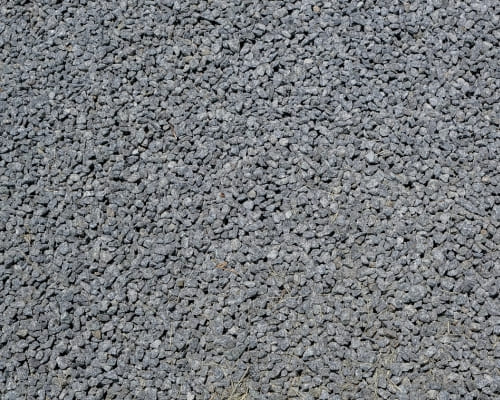
Concrete resurfacing Mildura homeowners choose is a thin new layer bonded to an existing slab. The overlay is a polymer-modified cement product: the polymers help it grip the old concrete and resist cracking, so it can be laid only a few millimetres thick. The slab underneath does the structural work, and the overlay provides the new look and a fresh wearing surface.
Spray-on concrete resurfacing
Spray-on resurfacing is the most common option for driveways and paths. After the slab is primed, a coloured overlay is sprayed on with a hopper gun to create a textured surface, then lightly knocked down with a trowel to flatten the peaks. It gives good grip, hides minor surface blemishes and comes in a wide range of colours. A second colour can be sprayed over the first for a mottled, natural stone look.
Stencilled and stamped concrete overlays
A stencilled overlay uses a paper stencil laid over a base coat in a tile, brick or stone pattern. The top coat is sprayed over it, and when the stencil is lifted the base colour shows through as grout lines. A stamped overlay is a thicker layer that is pressed with stamping mats like a new stamped slab, giving deeper texture. Both bring a patterned finish to an old slab, and the stamped concrete page covers full-depth stamped work for new pours.
Bonded cement overlays and skim coats
A skim coat or micro-topping is a very thin, smooth overlay trowelled over the slab, suiting patios, alfresco areas and interiors where a clean, modern finish is wanted. Thicker bonded cement overlays rebuild a worn or uneven surface before a final finish. These products are mixed to suit the job and finished by hand, with a sealer applied once cured.
Peak Concreting Mildura
Preparing Old Concrete for an Overlay: Grinding, Repairs and Priming
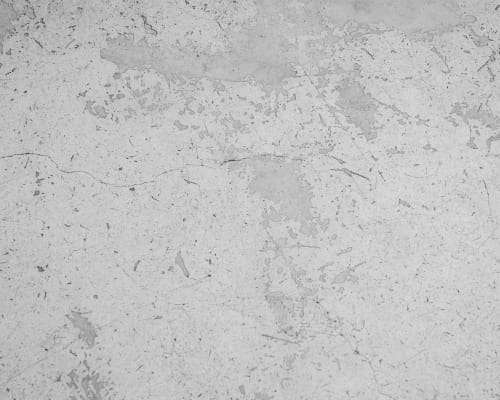
Preparation decides whether an overlay lasts for years or peels within months. The overlay must bond to clean, sound, roughened concrete.
Grinding, cleaning and priming the old slab
The slab is pressure-cleaned and degreased to remove oil, dirt and moss. Old sealers, paint and coatings are ground off, and the whole surface is ground or scarified to open the pores and give the overlay a key. Once clean and dry, a bonding primer is applied so the overlay grips the old concrete rather than sitting on top of it.
Repairing cracks and spalling before the overlay
Hairline cracks are routed out and filled, and spalled or flaking patches are cut back to sound concrete and rebuilt with a repair mortar. Rusting reinforcement exposed by spalling is cleaned and treated. Larger structural cracks, sunken areas and lifted sections are assessed separately, because an overlay cannot hold together a slab that is still moving. The concrete repairs page explains that work.
Joints, edges and finishing the overlay
Existing control joints are marked before the overlay goes on and cut back through it afterwards, because the old slab will keep moving at those joints and would crack the overlay above them. Edges against walls, steps and garden beds are finished neatly, and the overlay is feathered or formed to meet doorways and existing surfaces without trip lips.
Peak Concreting Mildura
Why Choose Peak Concreting for Concrete Resurfacing in Mildura
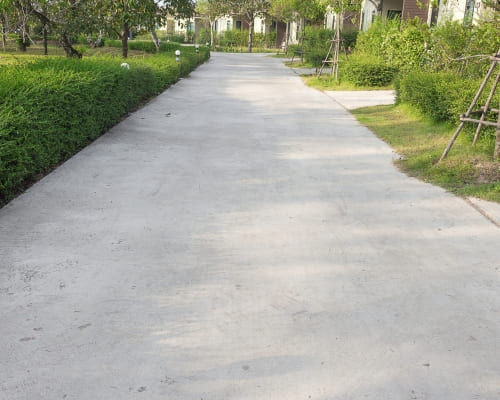
Resurfacing is only worth doing on a slab that will hold it, and only lasts if it is laid in the right conditions. Peak Concreting assesses the slab first, gives an honest call on whether to resurface or replace, and lists every preparation step on the quote.
Overlays cured for the Mildura heat
Overlays are thin, so they lose water quickly. Mildura averages only about 270 to 290mm of rain a year and summer days regularly pass 40C, and an overlay laid on a hot, dry slab in the afternoon can dry before it bonds, then crack or delaminate. In summer the slab is dampened and cooled, work starts early in the morning, wind and sun are screened where possible, and the overlay is protected while it cures.
Salt, damp and old irrigation-era slabs
Many older homes around the Sunraysia irrigation settlements, from Merbein to Red Cliffs, have concrete that has spent decades on damp, salty ground. Salt rising through the slab can push off a coating and leave white deposits. These slabs are checked for moisture and salt before quoting, salt deposits are treated during preparation, and where moisture keeps rising, a breathable system or replacement is recommended instead.
Peak Concreting Mildura
What Concrete Resurfacing Costs in Mildura
Concrete resurfacing usually costs well under the price of breaking out and replacing a slab, because there is no demolition, disposal, excavation or new concrete. A plain spray-on finish is at the lower end, stencilled patterns sit in the middle, and stamped overlays and multi-colour designs cost the most.
Concrete resurfacing cost per square metre
Resurfacing is priced per square metre. Per square metre, a single-colour spray-on finish has the lowest rate, a skim coat or two-colour spray-on comes next, a stencilled pattern costs more again, and a stamped overlay, which is thicker and pressed with mats, has the highest rate. The area, the number of colours and the sealer then adjust that base rate. Large open driveways cost less per square metre than small areas with many edges, steps and joints. Every quote is a fixed written price after an on-site inspection.
Why preparation is often the larger part of the price
Grinding off old coatings, degreasing oil stains, repairing cracks and spalling and treating salt can take longer than laying the overlay. A badly stained, patched or coated slab costs more to prepare than a clean, sound one. That preparation is listed as its own item on the quote, because it is what makes the overlay last.
Peak Concreting Mildura
Resurfacing Versus Replacing Concrete
The choice between resurfacing and replacing depends on what is wrong with the slab.
When replacing the slab is the better long-term call
If a slab has sunk, lifted from tree roots, cracked through in several places or falls towards the house, an overlay only hides the problem for a while. Replacing it fixes the base, the levels and the drainage. Replacement also makes sense where the owner wants a finish only a new pour can give, such as exposed aggregate. The concrete driveway page covers building a new driveway.
What an overlay can and cannot hide
An overlay hides stains, a worn or patchy surface, minor spalling, hairline cracks that have been repaired and old patches of mismatched concrete. It cannot hide level differences between sections, wide or active cracks that keep moving, or a slab that holds water. Those cracks will reflect up through any overlay, so they are fixed or the slab is replaced.
Peak Concreting Mildura
Driveway Resurfacing: Oil Stains, Tyre Marks and Worn Finishes
Driveways are the most resurfaced slabs, because they take the most wear and are the most visible.
Resurfacing a driveway and its crossover
A driveway overlay runs from the garage to the boundary and can include the crossover, so the whole drive matches. Where the crossover sits in the road reserve, any council requirements are checked first. Driveway overlays use a textured, non-slip finish and a hard-wearing sealer that stands up to tyres, and cars are kept off until the overlay has cured.
Lifting oil stains, tyre marks and a worn broom finish
Oil and fuel stains are degreased and, where deep, ground out before the overlay goes on, because oil left in the slab stops the overlay bonding. Tyre marks and a worn broom finish are ground back as part of preparation. The new surface is then sealed so future oil drips can be wiped up before they soak in.
How to tell whether a slab is still sound
A sound slab sits level, does not rock or sound hollow when tapped, has no wide or moving cracks, and drains as it should. Cracks that have opened and closed over the seasons, sections that have dropped at joints, and areas that hold puddles all point to a base problem. A site inspection checks these before resurfacing is offered.
Peak Concreting Mildura
Which Slabs Can Be Resurfaced: Patios, Pool Surrounds and Garage Floors
Almost any sound exterior or interior concrete can be resurfaced, with the finish chosen to suit its use.
Pool surrounds that need to stay non-slip
Pool surrounds are resurfaced with a textured spray-on finish or a stencilled pattern, in a lighter colour that stays cooler underfoot, and sealed with an anti-slip additive. The sealer is chosen to resist chlorine and salt water. Coping edges are protected during the work, and the pool is left clean of overlay dust and slurry.
Garage, patio and alfresco floors
Garage floors can be ground and given a smooth or lightly textured overlay with a hard-wearing sealer that resists oil and hot tyres. Patios and alfresco areas suit spray-on, stencil or skim coat finishes that match the house and outdoor furniture. Indoors, a smooth micro-topping gives a modern concrete look over an existing slab.
TESTIMONIALS
What Our Concrete Resurfacing Customers Say About Us
The Process
3 Step Process For Your Concrete Resurfacing Needs

1. Free Inspection and Quote
The slab is inspected to confirm it is sound enough to resurface, finishes and colours are chosen from samples, and a fixed written price is given that lists preparation, repairs and sealer.

2. Grinding, Repairs and Priming
The old surface is pressure-cleaned, degreased and ground, cracks and spalled areas are repaired, existing joints are marked, and a bonding primer is applied to the prepared slab.

3. Overlay, Sealing and Handover
The overlay is sprayed, stencilled, stamped or trowelled in the cooler hours, joints are re-cut, and the cured surface is sealed and handed back with care advice.
Concrete Resurfacing In Mildura
FREQUENTLY ASKED QUESTIONS
Everything you need to know about our Concrete Resurfacing In Mildura
Is resurfacing concrete a good idea?
For a slab that is structurally sound but stained, worn or dated, yes. It gives a new look for much less than replacement, with less mess and time. For slabs that have sunk, lifted or cracked through, replacement is usually better.
How long does concrete resurfacing last?
A well-prepared overlay on a sound slab lasts many years. The sealer is the part that wears, so resealing every few years keeps the colour and protects the surface. Overlays laid over moving cracks or on damp, salty slabs fail sooner.
Can a thin coat of concrete go over existing concrete?
Plain concrete laid thinly over an old slab tends to crack and lift. Polymer-modified overlays are designed for thin application and bond to properly prepared concrete. For a thicker build-up, a new slab is usually the better option.
How long before a resurfaced driveway can be driven on?
Foot traffic is usually fine after a day. Cars generally wait a few days to allow the overlay and sealer to cure, longer in cool weather. The timeline is set out in the quote.
Can cracks come back after resurfacing?
Hairline cracks that are repaired properly rarely return. Active cracks that keep moving with the ground will reappear through any overlay, which is why the slab is assessed first and joints are cut back through the overlay.
Can resurfacing be done in summer?
Yes, with care. Work starts early, the slab is cooled and dampened, and the overlay is protected from sun and wind while it cures. Very hot, windy days are avoided.
Request A Free Concrete Resurfacing Quote
BUSINESS
SERVICES
OPERATING HOURS
Sun: 7:00am - 9:00pm
Mon: 7:00am - 9:00pm
Tue: 7:00am - 9:00pm
Wed: 7:00am - 9:00pm
Thu: 7:00am - 9:00pm
Fri: 7:00am - 9:00pm
Sat: 7:00am - 9:00pm