Coloured Concrete Mildura, Colour Through the Slab and Cured for the Heat
Coloured Concrete Experts
Peak Concreting Mildura is a local concrete contractor delivering residential and commercial concreting across Mildura and the Sunraysia region, on both sides of the Murray. The work covers concrete driveways, slabs and footings, exposed aggregate, coloured, stamped and honed finishes, polished floors, paths, kerbs, retaining walls, sealing, resurfacing and repairs. Every job starts with the ground: stable Mallee sand, reactive clay pockets or damp, salt-prone irrigation blocks each get the base, mix and membrane they need. Pours are timed for the cooler early hours and cured properly, because curing in the dry Sunraysia heat decides how long a slab lasts. Every quote is fixed and written after an on-site measure.
Coloured concrete in Mildura gives driveways, paths, patios and pool areas a finished look that plain grey cannot match. Colour can be mixed right through the slab with oxide pigments, worked into the surface as a colour hardener, or added to existing concrete with a stain or tinted sealer. In the dry Sunraysia heat, colour is only as even as the curing, so Peak Concreting batches every pour from one supplier with consistent water, places and finishes it in the cooler early hours, cures it evenly and seals it against sun and salt. Colours are chosen from a concrete colour chart and checked against samples before the pour. Call 0485 032 128 for a free on-site measure and a fixed written quote for coloured concrete in Mildura.
Peak Concreting Mildura
Coloured Concrete Mildura: Driveways, Paths, Patios and Pool Areas
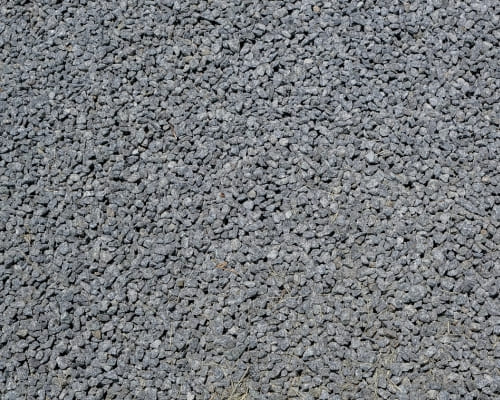
Coloured concrete Mildura homes use is ordinary structural concrete with colour added, so it carries the same base, thickness and reinforcement as a plain slab of the same job. The colour changes the look, not the strength, which means it can go almost anywhere a plain slab can.
Coloured concrete driveways
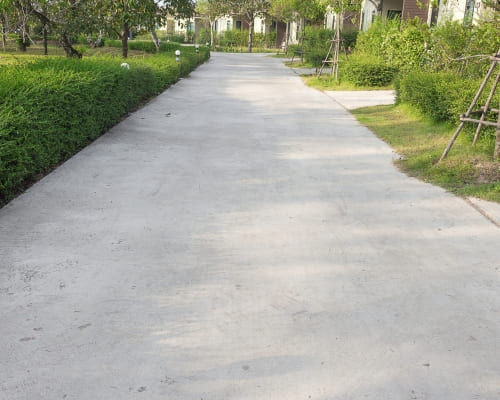
A coloured driveway ties the front of a home together, picking up the tone of the roof, the brickwork or the garden. Charcoal and mid-greys hide tyre marks and oil best, while sandstone and light tones keep a driveway cooler and brighter. A driveway is poured at the usual thickness for vehicles with mesh reinforcement and saw-cut control joints, and colour runs through the full depth so chips and wear do not show grey. The concrete driveway page covers the base and thickness for vehicle loads.
Paths, patios and alfresco areas
Paths, patios and alfresco areas are where colour does the most for an outdoor space. A warm sandstone or terracotta suits garden settings and older homes, and greys and charcoals suit modern houses. Coloured concrete is laid in one piece with only planned joints, so it avoids the weeds and sinking edges of pavers on sandy ground. A path matching the driveway or alfresco gives a whole yard a consistent look.
Pool surrounds in lighter colours
Around a pool, colour is chosen for comfort as well as looks. Light tones such as off-white, sandstone and pale grey reflect more sun and stay cooler underfoot than charcoal on a hot Mildura afternoon. The surface is finished with a light broom or textured finish for grip when wet, and a sealer with an anti-slip additive protects the colour from chlorine and splashing.
Coloured borders and feature bands
Colour can also frame a plain or exposed aggregate slab. A charcoal or terracotta border around a driveway, a band along a path edge or a contrasting strip at the entry adds definition without colouring the whole pour. Borders are formed and poured separately, or the colour is applied to a strip of the surface, and they are sealed with the rest of the slab.
Peak Concreting Mildura
How Concrete Is Coloured: Oxides, Colour Hardeners and Stains
There are three main ways to colour concrete, and each suits a different job.
Integral colour and the coloured concrete mix
Integral colour means oxide pigment is added to the coloured concrete mix at the plant, so the colour runs right through the slab. Iron oxide pigments are dosed as a percentage of the cement weight, commonly a few per cent for pale shades and more for strong or dark colours, up to the point where adding more no longer deepens the colour. Because the whole slab is coloured, chips, wear and saw cuts show the same colour as the surface.
Dry-shake colour hardeners
A dry-shake colour hardener is a powder of cement, fine hard aggregate and pigment broadcast onto the fresh concrete after the bleed water has gone, then floated and trowelled into the top few millimetres. It gives stronger, brighter colour at the surface than integral colour of the same weight, and it hardens the top layer against wear. Timing is critical, so it suits pours where the crew can control the finish closely.
Acid stains and tinted sealers on existing concrete
Existing concrete can be coloured without a new pour. Acid stains react with the lime in the cement to create mottled, variegated tones that look like stone. Water-based stains and tinted sealers give more uniform colour. These treatments work on sound, clean concrete; they colour the surface only, so they wear in traffic and need renewing. Where an old slab is cracked or flaking, the concrete resurfacing page covers coloured overlays instead.
Peak Concreting Mildura
Why Choose Peak Concreting for Coloured Concrete in Mildura
Coloured concrete shows every inconsistency in the pour: a change of supplier, extra water in one truck, a patch cured differently from the rest. Peak Concreting plans the colour as part of the pour, not an afterthought, and every quote names the colour, the colouring method and the sealer.
Even colour in dry Sunraysia heat
Mildura receives only about 270 to 290mm of rain a year and has summer days above 40C. On those days the surface of fresh concrete can dry faster than bleed water rises, and uneven drying leaves light and dark blotches in the colour. Summer pours start early, an evaporation retarder is used during finishing, wind and sun are screened where possible, and the whole slab is cured the same way at the same time. Plastic sheeting laid directly on coloured concrete can leave mottled marks, so curing compounds or even wet curing are used instead.
One batch, one supplier and consistent water
Colour depends on the cement, the sand and especially the water content. A slab ordered from one supplier, with the same mix design and the same slump in every truck, comes out one colour. Adding water on site to make concrete easier to place lightens the colour and weakens the surface, so it is not done. Large areas are planned so trucks arrive back to back and the pour finishes before the day heats up.
Peak Concreting Mildura
What Coloured Concrete Costs in Mildura
Coloured concrete costs more than plain grey concrete of the same size because the pigment or colour hardener adds material and the finishing takes more care. It usually costs less than stamped concrete and is broadly comparable with exposed aggregate, depending on the colour and method.
How coloured concrete is priced against plain
The base costs are the same as a plain slab: excavation, base, formwork, reinforcement, concrete, finishing and curing. Colour adds the pigment or hardener, extra care in finishing and curing, and a sealer. Removing an old slab, poor access and a damp-proof membrane on damp or salty ground all add to the price, as they would for any slab. Every quote is a fixed written price after an on-site measure.
Why darker and stronger colours cost more
Pale tones need only a small dose of pigment, while charcoals, deep reds and strong colours need much more, and some pigments cost more than others. Dry-shake hardeners and acid stains add labour as well as material. A light colour with integral pigment is usually the most economical way to get a coloured slab, and a strong colour on a large area is where the price rises most.
Peak Concreting Mildura
Coloured Concrete Versus Plain, Exposed Aggregate and Stamped
Coloured concrete is one of several decorative choices, and the right one depends on look, grip and budget.
Versus plain grey concrete
Plain grey concrete is the cheapest finish and suits sheds, side paths and service areas. It also shows tyre marks, rust and dust readily. Colour costs a little more but lifts a front yard, hides marks better and suits the house. Many owners use plain concrete for utility areas and colour where it can be seen.
Versus exposed aggregate
Exposed aggregate shows the stones at the surface for a textured, rugged look with strong grip, and it hides dust and tyre marks well. Coloured concrete has a smoother, more uniform surface. The two can be combined: tinted cement under an exposed aggregate finish, or a coloured border around an exposed slab. The exposed aggregate concrete page covers that finish.
Versus stamped concrete
Stamped concrete adds pattern and texture to coloured concrete, so it can look like slate, cobblestone or timber. It costs more than plain coloured concrete and needs regular resealing to keep the colour and pattern sharp. Coloured concrete without stamping is simpler, has fewer places for dust to collect and is easier to keep clean. The stamped concrete page explains the patterns.
Peak Concreting Mildura
Choosing a Colour: Concrete Colour Charts and Popular Options
The colour is chosen before the pour and confirmed in writing, because once the concrete is placed it cannot be changed without a stain or overlay.
Reading a concrete colour chart
Concrete suppliers publish colour charts showing their standard pigment colours. A chart is a guide only: printed swatches and screens never match real concrete exactly, and the same pigment looks different with grey or off-white cement, local sand, the finish and the sealer. Sample panels, or slabs already poured in the same colour from the same supplier, give a far more accurate idea.
Charcoal, grey, sandstone and terracotta
Charcoal and mid-greys are the most popular choices for modern homes and hide tyre marks well, though dark colours absorb more heat. Sandstone, buff and cream tones suit older homes, gardens and pool areas and stay cooler. Terracotta and red tones suit Spanish and Federation styles. Lighter colours show tyre marks more, while darker colours show dust and efflorescence more.
Matching the colour to the house and roof
The best colour usually picks up something already on the house: the roof, the brick, the render or the trims. A colour that contrasts slightly with the walls stops the house blending into the driveway, while a colour that echoes the roof ties the front together. In the bright Mildura sun, colours read lighter outdoors than they do on a chart indoors, so a shade darker than the first choice often looks right once poured.
Peak Concreting Mildura
Fading, Sun and Salt: Keeping Coloured Concrete Looking New
Coloured concrete lasts for decades, but its appearance depends on how it is protected.
Why coloured concrete fades
The iron oxide pigments used in concrete are stable in sunlight. What fades is usually the surface: the sealer breaks down under UV, the top layer wears under tyres and feet, and dust and grime dull the colour. On a slab that was never sealed, the colour can look washed out within a few years even though the pigment is still there.
Efflorescence and salt on damp ground
Efflorescence is a white, powdery deposit left when water moving through concrete carries salts to the surface and evaporates. It shows most on dark colours. In the Sunraysia irrigation districts, where some blocks have shallow water tables and salt, a damp-proof membrane under the slab, a sound mix and a good sealer reduce it. Light efflorescence can be cleaned off with a suitable cleaner before resealing.
Sealing, resealing and restoring faded colour
A sealer protects the colour from UV, stains and salt, and deepens the tone. In full Mildura sun, outdoor coloured concrete typically needs resealing every few years. A faded but sound slab can usually be restored by cleaning and resealing, or with a tinted sealer to refresh the colour. The concrete sealing page explains sealer types and how often each needs renewing.
TESTIMONIALS
What Our Coloured Concrete Customers Say About Us
The Process
3 Step Process For Your Coloured Concrete Needs

1. Free On-Site Quote
The area is measured, colours are chosen from a colour chart and checked against samples, and a fixed written price is given that names the colour, method and sealer.

2. Base Prep and the Pour
The base is excavated and compacted, formwork and mesh are set, and the coloured mix is poured from one supplier at a consistent slump, early in the day in summer.

3. Curing and Handover
The surface is finished and cured evenly across the whole slab, control joints are cut, and the cured slab is cleaned and sealed to protect the colour from sun and salt.
Coloured Concrete In Mildura
FREQUENTLY ASKED QUESTIONS
Everything you need to know about our Coloured Concrete In Mildura
Is coloured concrete a good idea?
For most driveways, paths and patios, yes. It costs a little more than plain concrete, looks far better, hides marks and lasts as long as the slab when sealed. It suits owners who want a finished look without the joints of pavers.
How do you get coloured concrete?
Colour is either mixed into the concrete at the plant as an oxide pigment, worked into the fresh surface as a colour hardener, or applied to existing concrete as a stain or tinted sealer. The method is chosen to suit the job, the colour and the budget.
Does coloured concrete get hot in summer?
All concrete warms up in the sun, but dark colours absorb far more heat than light ones. For pool areas and paths walked barefoot, lighter tones such as sandstone, cream and pale grey stay much cooler on a hot Mildura afternoon.
Will the colour match if more concrete is added later?
Rarely exactly. Cement, sand and pigment batches vary over time, and a new slab will look slightly different from an older, weathered one. Planning the whole area in one pour, or adding a deliberate border between old and new, gives the best result.
How long before coloured concrete can be driven on?
Foot traffic is usually fine after a day or two, and cars typically after about seven days, longer in cool weather. Sealing is done once the slab has cured enough, and the timeline is set out in the quote.
Can existing grey concrete be coloured?
Yes, if it is sound and clean. Acid stains, water-based stains and tinted sealers can colour an existing slab, and a coloured overlay can cover a worn surface. Surface colour wears faster than integral colour, so it needs renewing over time.
Request A Free Coloured Concrete Quote
BUSINESS
SERVICES
OPERATING HOURS
Sun: 7:00am - 9:00pm
Mon: 7:00am - 9:00pm
Tue: 7:00am - 9:00pm
Wed: 7:00am - 9:00pm
Thu: 7:00am - 9:00pm
Fri: 7:00am - 9:00pm
Sat: 7:00am - 9:00pm