Concrete Sealing Mildura, the Right Sealer for Sun, Salt and Wear
Concrete Sealing Experts
Peak Concreting Mildura is a local concrete contractor delivering residential and commercial concreting across Mildura and the Sunraysia region, on both sides of the Murray. The work covers concrete driveways, slabs and footings, exposed aggregate, coloured, stamped and honed finishes, polished floors, paths, kerbs, retaining walls, sealing, resurfacing and repairs. Every job starts with the ground: stable Mallee sand, reactive clay pockets or damp, salt-prone irrigation blocks each get the base, mix and membrane they need. Pours are timed for the cooler early hours and cured properly, because curing in the dry Sunraysia heat decides how long a slab lasts. Every quote is fixed and written after an on-site measure.
Concrete sealing in Mildura protects driveways, paths, patios, pool surrounds and garage floors from the things that wear them out here: strong sun, oil and tyre marks, fine dust, and salt and moisture rising from irrigation-district ground. Peak Concreting seals new and existing concrete, starting with a pressure clean and degrease, stripping failed sealer and treating efflorescence, then applying the sealer that suits the surface: a penetrating sealer that soaks in, or an acrylic or polyurethane topical sealer that adds a protective film, with tint and anti-slip grit where needed. Sealing is done in mild conditions, never on a hot slab in the afternoon sun. Call 0485 032 128 for a free on-site measure and a fixed written quote for concrete sealing in Mildura.
Peak Concreting Mildura
Concrete Sealing Mildura: Driveways, Pool Areas and Decorative Concrete
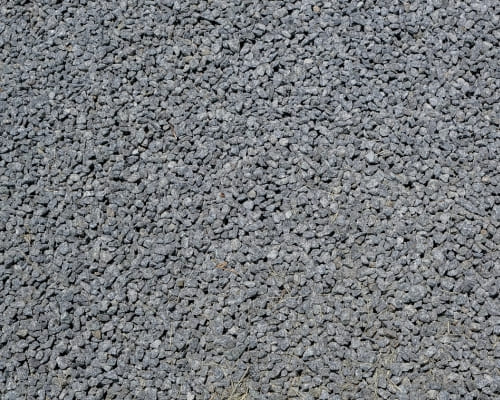
Concrete sealing Mildura owners book is the cheapest way to protect a slab. Unsealed concrete is porous, so it soaks up oil, water, salt and dirt, and its surface slowly wears and dusts. A sealer closes that surface or fills its pores, so stains wipe off, water beads away and the colour stays stronger for longer.
Driveway concrete sealing
Driveways take the hardest wear: tyres, oil drips, fuel, leaf litter and the full afternoon sun. Driveway concrete sealing protects the surface from oil and tyre marks and makes cleaning far easier. On plain driveways a penetrating sealer keeps the natural look, while exposed aggregate and coloured driveways usually take a topical sealer that brings out the stone and colour. The concrete driveway page covers building a new one.
Sealing exposed aggregate, coloured and stamped concrete
Decorative concrete depends on its sealer. On exposed aggregate, the sealer locks in the stones and gives them a richer, wet look. On coloured and stamped concrete, it protects the colour hardener and release tones from UV and wear. These surfaces are resealed on a regular cycle to keep them looking new, and the stamped concrete and exposed aggregate concrete pages explain each finish.
Pool surrounds, patios and garage floors
Pool surrounds need a sealer that resists chlorine and salt water and keeps grip when wet, so an anti-slip additive is standard. Patios and alfresco areas need protection from barbecue fat, wine and food spills. Garage floors need resistance to oil, fuel and hot tyres, and a polyurethane or penetrating sealer suits them better than a soft acrylic that hot tyres can lift.
Peak Concreting Mildura
How Concrete Is Sealed: Cleaning, Stripping, Application and Curing
A sealer is only as good as the surface it goes on. Most failed sealers fail because of poor preparation or bad conditions on the day, not because of the product.
Cleaning and stripping old sealer
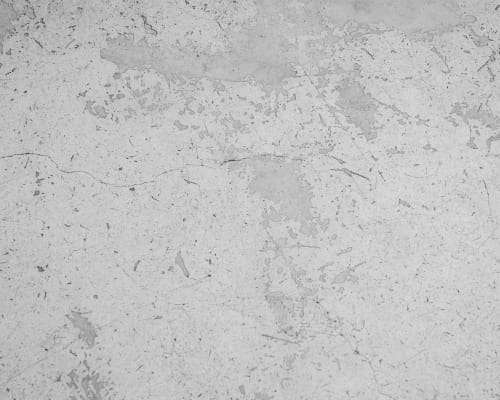
The surface is pressure-cleaned to remove dirt, moss and loose material, and oil stains are degreased. Old sealer that is peeling, flaking or turning white is stripped with a chemical stripper or by grinding, because new sealer laid over failed sealer fails with it. White salt deposits are treated and rinsed, and the surface is left to dry completely, usually overnight or longer, before sealing.
Rollers, sprayers and the number of coats
Sealers are applied with a low-pressure sprayer, a roller or both, in thin, even coats. Two thin coats are better than one thick one, which can trap solvent, bubble or stay soft. Each coat is left to dry before the next, edges and joints are cut in by brush, and the coverage rate is matched to the product and the surface porosity. Exposed aggregate takes more sealer than a smooth slab.
When new concrete can be sealed
New concrete needs to cure and release its moisture before most sealers go on. Many topical sealers are applied once the slab is about four weeks old, while some penetrating sealers and curing-and-sealing products can be applied earlier. Sealing too soon traps moisture, which causes white haze and poor bonding. The timing for each slab is set out in the quote.
Peak Concreting Mildura
Why Choose Peak Concreting for Concrete Sealing in Mildura
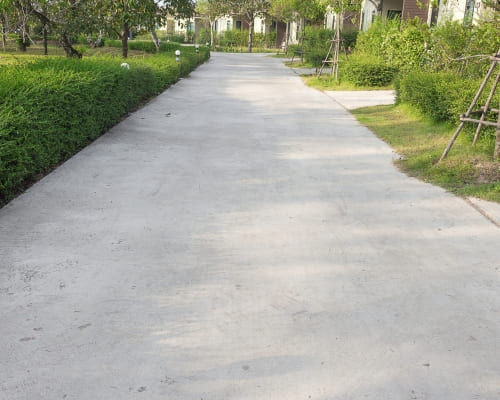
Sealing looks like a quick job, but the result depends on choosing the right product, preparing properly and working in the right conditions. Peak Concreting inspects the surface first, names the sealer and the number of coats on the quote, and schedules the work for the weather.
Sealing in the Mildura heat
Mildura summers regularly pass 40C, and a slab in full sun gets much hotter than the air. Sealer applied to a hot surface can flash off too fast, bubble, leave roller marks or fail to bond. Sealing is booked for mild days or the cooler morning hours, and the surface temperature is checked against the product's limits before work starts. Hot, windy days and dust storms are avoided, because dust settling in wet sealer spoils the finish.
Salt and damp on irrigation-district ground
Parts of the Sunraysia irrigation districts sit on shallow, salty water tables. Moisture moving up through a slab carries salt to the surface, where it leaves white efflorescence and can lift a film-forming sealer. On these slabs the efflorescence is cleaned off first, a breathable penetrating sealer is often the better choice, and topical sealers are only used where the slab can release its moisture.
Peak Concreting Mildura
What Concrete Sealing Costs in Mildura
Concrete sealing is priced per square metre, and it costs far less than resurfacing or replacing a slab. A penetrating sealer on clean, sound concrete is at the lower end, a topical sealer with tint or anti-slip additive costs more, and jobs needing old sealer stripped cost the most.
How concrete sealing cost is worked out per square metre
Concrete sealing cost depends on the area, the sealer type, the number of coats and the surface. Large open driveways are more economical per square metre than small, broken-up areas with many edges, steps and joints. Exposed aggregate uses more sealer than smooth concrete. Every quote is a fixed written price after an on-site inspection.
Why preparation is part of the price
Pressure cleaning, degreasing, stripping old sealer and treating salt staining often take longer than applying the sealer. Skipping that work is how cheap sealing jobs fail within months. The quote lists preparation as its own item, so owners can see what they are paying for and why it matters.
Peak Concreting Mildura
Sealing Versus Painting Versus Resurfacing a Driveway
A tired driveway can be refreshed in three ways, and the right one depends on its condition.
Driveway painting and paint-on coatings
Driveway paint covers the concrete with an opaque colour, hiding stains and patches. It looks fresh at first, but paint sits on the surface and can peel under hot tyres, in strong sun and where moisture rises through the slab. A tinted sealer gives some colour while letting the concrete show through, and it wears more gradually than paint.
When a driveway needs resurfacing instead
Sealing protects a sound surface; it does not fix one. Where concrete is flaking, spalled, badly cracked or heavily stained, sealing only preserves the damage. A resurfacing overlay rebuilds the surface with a new decorative finish over a sound base. The concrete resurfacing page explains when that is the better option.
Peak Concreting Mildura
Penetrating, Topical and Tinted Concrete Sealers Compared
Sealers fall into a few families, and each suits different surfaces and owners.
Penetrating sealers
Penetrating sealers, such as silanes and siloxanes, soak into the concrete and react within its pores to repel water, salt and stains. They leave no film, so they do not change the look, peel or make the surface slippery. They breathe, which suits slabs on damp or salty ground, and they last longer than most topical sealers. They do not deepen colour or give a wet look.
Acrylic and polyurethane topical sealers
Topical sealers form a thin film on the surface. Acrylic sealers, solvent or water based, are the most common on exposed aggregate and coloured concrete, giving a satin or gloss wet look; they need renewing every few years outdoors. Polyurethane sealers are tougher and more resistant to chemicals and hot tyres, which suits garages and high-wear areas, but they cost more.
Tinted sealers and anti-slip additives
A tinted sealer adds a translucent colour to refresh faded coloured concrete or even out patchy grey slabs. Anti-slip additives are fine grit or polymer beads mixed into the final coat, giving a textured surface that keeps grip when wet. They are standard on pool surrounds, sloped driveways and paths that collect water.
Choosing the best concrete sealer for the job
There is no single best concrete sealer. A plain driveway on salty ground suits a penetrating sealer; an exposed aggregate driveway wanting a wet look suits a solvent acrylic; a garage floor suits polyurethane; and a pool surround needs a sealer with anti-slip grit that resists chlorine. The choice is made at the inspection and named on the quote.
Peak Concreting Mildura
How Often Concrete Should Be Sealed, and Fixing Failed Sealers
How often concrete should be sealed depends on the sealer, the sun and the traffic. In full Mildura sun, acrylic sealers on driveways and decorative concrete usually need renewing every two to three years, while penetrating sealers last longer before the surface needs another treatment.
Signs a surface is due for resealing
Water soaking in instead of beading is the clearest sign. Others are a dull or faded colour, oil and dirt staining more easily, loose stones on exposed aggregate, and worn patches in tyre tracks and walkways. A quick water-drop test on several spots shows whether the sealer is still working.
Peeling, flaking and white haze
Peeling and flaking usually mean the sealer was laid too thick, on a dirty surface, or over moisture. White haze, called blushing, is moisture trapped in or under a solvent acrylic, often from sealing too soon after rain or on damp ground. Mild blushing can sometimes be cleared by re-dissolving the sealer with a solvent; badly failed sealer is stripped and the surface resealed.
Sealed surfaces that are too slippery
A glossy topical sealer can make smooth concrete slippery when wet, especially on slopes and around pools. The fix is a final coat with anti-slip grit, or switching to a penetrating sealer that leaves no film. On new work, the sealer and grip level are matched to where the surface is.
TESTIMONIALS
What Our Concrete Sealing Customers Say About Us
The Process
3 Step Process For Your Concrete Sealing Needs

1. Free On-Site Inspection and Quote
The surface is inspected, any old or failed sealer and salt staining is identified, the right sealer is chosen, and a fixed written price is given per square metre.

2. Cleaning, Stripping and Preparation
The concrete is pressure-cleaned and degreased, failed sealer is stripped, efflorescence is treated, and the surface is left to dry fully before any sealer goes on.

3. Sealing and Curing
Two thin, even coats are applied in the cooler part of the day, with anti-slip grit where needed, and the surface is kept clear of traffic until the sealer has cured.
Concrete Sealing In Mildura
FREQUENTLY ASKED QUESTIONS
Everything you need to know about our Concrete Sealing In Mildura
Is sealing concrete a good idea?
For most outdoor concrete, yes. Sealing makes stains easier to clean, protects colour from sun, reduces salt and water damage and extends the life of the surface. Plain concrete in low-use areas can be left unsealed, but driveways, decorative concrete and pool areas benefit most.
Can old concrete be sealed?
Yes, as long as it is sound and clean. Old concrete is pressure-cleaned, degreased and stripped of any failed sealer first. Cracked or flaking concrete should be repaired or resurfaced before sealing, because the sealer will not fix structural damage.
How long does sealer take to dry?
Most sealers are touch dry within a few hours, and foot traffic is fine later the same day or the next. Cars usually wait one to three days, depending on the product and the weather. The timing is set out in the quote.
Does sealing make concrete slippery?
Penetrating sealers do not. Glossy topical sealers can make smooth concrete slippery when wet, which is why anti-slip grit is added on driveways, paths and pool areas.
Can sealing stop efflorescence?
It reduces it but cannot always stop it on ground with a shallow, salty water table. Efflorescence is cleaned off before sealing, and a breathable penetrating sealer often performs better than a film on damp slabs.
Is concrete sealing a DIY job?
Small areas can be done at home, but most failures come from poor preparation, wrong product choice and sealing in the heat. Professional sealing includes proper cleaning, stripping and application with the right coverage.
Request A Free Concrete Sealing Quote
BUSINESS
SERVICES
OPERATING HOURS
Sun: 7:00am - 9:00pm
Mon: 7:00am - 9:00pm
Tue: 7:00am - 9:00pm
Wed: 7:00am - 9:00pm
Thu: 7:00am - 9:00pm
Fri: 7:00am - 9:00pm
Sat: 7:00am - 9:00pm