Concrete Kerbs Mildura, Kerbing and Edging Formed in One Continuous Run
Concrete Kerbs & Edging Experts
Peak Concreting Mildura is a local concrete contractor delivering residential and commercial concreting across Mildura and the Sunraysia region, on both sides of the Murray. The work covers concrete driveways, slabs and footings, exposed aggregate, coloured, stamped and honed finishes, polished floors, paths, kerbs, retaining walls, sealing, resurfacing and repairs. Every job starts with the ground: stable Mallee sand, reactive clay pockets or damp, salt-prone irrigation blocks each get the base, mix and membrane they need. Pours are timed for the cooler early hours and cured properly, because curing in the dry Sunraysia heat decides how long a slab lasts. Every quote is fixed and written after an on-site measure.
Concrete kerbs in Mildura give gardens, lawns, driveways and private roads a clean, hard-wearing border that holds its line for years. Peak Concreting forms garden edging, mower strips, driveway kerbs and roadside kerbing with a kerb machine that extrudes the profile in one continuous run, then compacts and backfills behind it and cuts control joints so any cracking stays straight. On loose Mallee sand the line is excavated to firm ground and the base compacted first, and in summer kerbs are poured in the cooler early hours and kept damp while they cure. Prices are quoted per lineal metre on a fixed written quote. Call 0485 032 128 for a free on-site measure and a fixed written quote for concrete kerbs in Mildura.
Peak Concreting Mildura
Concrete Kerbs Mildura: Garden Edging, Mower Strips and Driveway Kerbs
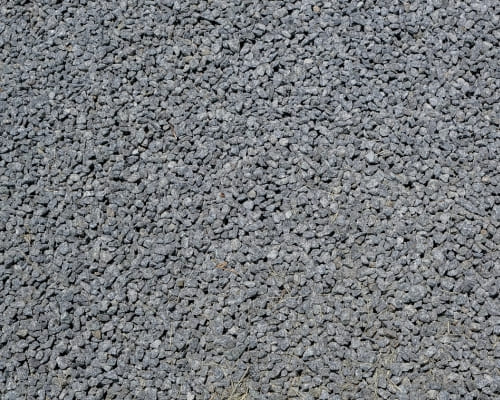
Concrete kerbs Mildura properties use range from a low garden border to a road kerb that guides stormwater and stops vehicles. All of them are formed from concrete in a continuous line, so they do not rot like timber, rust like steel or drift out of line like loose edging.
Kerb edging for gardens and mower strips
Garden kerb edging separates lawn from garden beds, holds mulch and soil in place and stops couch grass creeping into the beds. A mower strip is a flat kerb set level with the lawn, so one mower wheel runs on it and the lawn is cut cleanly to the edge without whipper-snipping. Profiles can be plain, rounded or shaped, and the concrete can be coloured to suit the garden.
Driveway kerbs and path edges
Driveway kerbs define the edge of a driveway, stop vehicles running onto the garden and hold the base material in place. Because they take knocks from tyres, they are thicker than garden edging and are usually reinforced. Path edges give a neat line to gravel and paved paths and stop the surface material spreading. The concrete driveway page covers the driveway slab itself.
Roadside kerbing for private roads, rural lots and car parks
Road kerbing on private roads, shared driveways, rural lots, car parks and commercial sites controls stormwater, protects verges and guides traffic. Profiles and dimensions are set by the design drawings or the council's standard where the kerb meets a public road. Kerbing work on a public road or nature strip needs council approval first, and the profile is matched to the existing street kerb.

Peak Concreting Mildura
How Kerbing Is Formed: Kerb Machines, Haunching and Joints
Most concrete kerbing is extruded by machine rather than poured into timber forms, which gives a smooth, continuous profile without joints between sections.
Continuous kerbing from a kerb machine
A kerb machine is loaded with a stiff, low-slump concrete mix and drives slowly along the marked line, pressing the concrete out through a steel mould in the chosen profile. The stiff mix holds its shape as soon as it leaves the mould. Curves, corners and tight radii are followed by steering the machine, and short or awkward sections are finished by hand with trowels and edging tools.
Concrete haunching for kerbs
Haunching is concrete placed against the back and base of a kerb to hold it in position and spread the load. It is standard for precast kerb units laid on a concrete bed, and it is used on extruded road and driveway kerbs where vehicles push against the face. For garden edging, the back is backfilled with soil or compacted material instead, because the loads are small.
Control joints that keep cracks straight
Every concrete kerb shrinks as it cures, and a continuous line will crack somewhere. Control joints are cut into the fresh kerb at regular spacing, typically every couple of metres, so the shrinkage cracks form neatly in the joints rather than randomly. Wider expansion gaps are left where a kerb meets a slab, wall or pit.
Peak Concreting Mildura
Why Choose Peak Concreting for Concrete Kerbs in Mildura
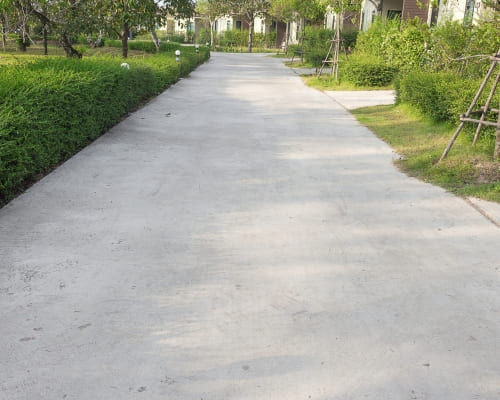
Kerbing looks simple, but a kerb laid on a poor base or cured badly in the heat cracks, crazes and drifts out of line within a few seasons. Peak Concreting marks every line with the owner before pricing, quotes per lineal metre with the profile and colour named, and prepares the ground to suit the site.
Edging on loose Mallee sand
Much of the ground around Mildura is deep, sandy and calcareous. It drains well, but loose sand can be washed or dug out from under a kerb, and the kerb then drops or tips. The line is excavated to firm ground, loose sand is compacted or replaced with a crushed rock base, and garden kerbs are set deep enough that watering and digging alongside do not undermine them.
Kerb pours timed for the Mildura heat
Kerbs are thin sections exposed on three sides, so they lose moisture faster than a slab. Mildura gets only about 270 to 290mm of rain a year and summer days often top 40C, and fast drying makes kerbs craze, dust and crack. Summer kerbing runs in the early morning, and the fresh kerb is kept damp or sprayed with a curing compound for several days.
Peak Concreting Mildura
What Concrete Kerbing Costs in Mildura
Concrete kerbing is priced per lineal metre rather than per square metre. Simple garden edging is the most economical, mower strips and driveway kerbs sit in the middle, and road kerbs with haunching, reinforcement and council requirements cost the most per metre.
Kerb price per lineal metre
The per-metre rate covers excavation, base preparation, the concrete, the machine and crew, cutting joints and backfilling. Longer runs bring the rate down because the machine setup is spread over more metres, while short runs carry a minimum charge. Every quote is a fixed written price after the line is measured on site.
What moves the per-metre rate
Bigger profiles use more concrete. Tight curves and many corners slow the machine and need more hand finishing. Coloured concrete adds pigment. Removing old timber, steel or broken concrete edging adds labour and disposal, and poor access may mean the concrete is barrowed in. Road kerbs add haunching, reinforcement and any council inspection.
Peak Concreting Mildura
Concrete Kerbs Versus Precast and Pin Kerbs, Timber and Steel Edging
There are several ways to edge a garden or a driveway, and concrete kerbing is one of the longest lasting.
Versus precast and pin kerbs
Precast kerbs and narrow pin kerbs are factory-made units laid end to end on a concrete bed and haunched behind. They give crisp profiles and suit paving projects, but every joint between units can open, shift or let weeds through. Extruded concrete kerbing forms one continuous line with only cut control joints, and it follows curves without the short straight segments precast units need.
Versus timber, steel and plastic edging
Timber edging is cheap but rots and is attacked by termites, especially where sprinklers keep it wet. Steel edging gives a thin, modern line but can rust, and it offers no flat surface for a mower wheel. Plastic edging lifts and drifts with time. Concrete kerbing costs more than timber or plastic at the start but lasts for decades with no maintenance.
Peak Concreting Mildura
Kerb Profiles: Flush, Edge Strip, Barrier and Layback Kerbs
The profile is the shape of the kerb in cross-section, and it is chosen for what the kerb has to do.
Flush kerbs level with lawn and paving
A flush kerb sits level with the surface on both sides, so it can be walked on, mown over and driven across. It suits mower strips, the edge of a paved area and the join between lawn and path. Its job is to hold the line and stop grass and soil spreading, rather than to keep anything out. An edge strip is the raised version: a narrow kerb that stands a little above the lawn or soil, usually with a rounded or bevelled top, so it also holds mulch and gravel in a bed and gives a visible border.
Barrier and semi-mountable road kerbs
A barrier kerb has a tall, near-vertical face that stops vehicles mounting it and channels stormwater along the gutter. A semi-mountable kerb has a sloping face that cars can cross at low speed, which suits residential estates and car parks. Both are usually formed with a gutter as one unit and built to the design or council standard.
Layback and drop kerbs at a crossover
Where a driveway meets a road, a layback or drop kerb lowers the kerb so vehicles can cross it smoothly. Cutting into an existing street kerb or building a new crossover needs council approval, and the crossover profile and thickness follow the council's standard drawings. The work is coordinated with the driveway so the levels line up.
Peak Concreting Mildura
Why Concrete Edging Cracks or Lifts, and How It Is Prevented
Most failed edging can be traced to one of a few causes, and each is avoided at the build.
Tree roots and garden beds
Tree roots grow under and beside kerbs and can lift and crack them as they thicken. Kerbs are kept clear of established trees where possible, and a root barrier can be installed beside a kerb near a tree. Garden beds that are dug and rebuilt beside a kerb can undermine it, so the kerb is set deep enough to stay stable.
Irrigation, sprinklers and salty ground
Constant watering keeps the ground beside a kerb soft, which lets it settle, and in parts of the Sunraysia irrigation districts the soil carries salt that can leave white deposits and flake the surface of thin concrete. Sprinklers are set so they do not soak the kerb line, a well-compacted base resists settling, and a sound mix with proper curing gives the kerb a dense surface.
Repairing or replacing damaged kerbs
A cracked section of kerb can be cut out and replaced, and a lifted section can sometimes be reset. Where a long run has failed because of a poor base or roots, replacing it on a proper base is usually the better option. The concrete repairs page explains how damaged concrete is assessed.
TESTIMONIALS
What Our Concrete Kerbs & Edging Customers Say About Us
The Process
3 Step Process For Your Concrete Kerbs & Edging Needs

1. Free On-Site Quote
The kerb or edging line is marked out with the owner, the profile and colour are chosen, and a fixed written price per lineal metre is given, including any old edging removal.

2. Base Prep and the Pour
The line is excavated to firm ground, a compacted base is laid on loose sand, and the kerb machine extrudes the profile in one continuous run early in the day.

3. Curing and Handover
The back of the kerb is backfilled or haunched, control joints are cut at regular spacing, and the kerb is kept damp while it cures before soil and mulch go back.
Concrete Kerbs & Edging In Mildura
FREQUENTLY ASKED QUESTIONS
Everything you need to know about our Concrete Kerbs & Edging In Mildura
How long does concrete kerbing take to install?
A typical home garden can be edged in a day, since the kerb machine lays a continuous run quickly once the line is prepared. Larger jobs, road kerbs and sites needing old edging removed take longer. The kerb should be left undisturbed for a few days while it cures.
Can concrete kerbing be coloured?
Yes. Oxide pigment can be mixed into the concrete so the kerb matches the garden, driveway or house. Charcoal, sandstone and terracotta are common choices. The colour runs right through the kerb, so knocks and wear do not show grey.
How soon can a mower run on a new mower strip?
Foot traffic is fine after a day or so, and mowing over a mower strip is usually fine after about a week. Heavy ride-on mowers and vehicles crossing a kerb should wait longer, particularly in cool weather.
Is concrete edging better than steel edging?
Concrete edging is wider, gives a flat strip for a mower wheel and does not rust. Steel gives a very thin, modern line and suits some designs. In gardens with sprinklers running often, concrete generally lasts longer.
Does a kerb need steel reinforcement?
Garden edging and mower strips usually do not. Driveway kerbs and road kerbs that take vehicle knocks are commonly reinforced, and road kerbs follow the design or council standard.
Can new kerbing be laid against existing concrete?
Yes. An expansion gap or joint is left where new kerbing meets an existing slab, path or wall, so the two can move independently without cracking each other.
Request A Free Concrete Kerbs & Edging Quote
BUSINESS
SERVICES
OPERATING HOURS
Sun: 7:00am - 9:00pm
Mon: 7:00am - 9:00pm
Tue: 7:00am - 9:00pm
Wed: 7:00am - 9:00pm
Thu: 7:00am - 9:00pm
Fri: 7:00am - 9:00pm
Sat: 7:00am - 9:00pm